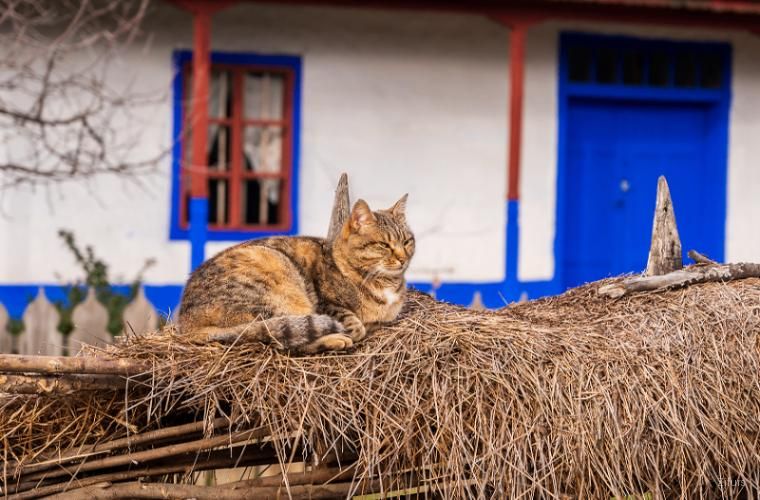
Indie Cat
Last Updated:
The Indie cat (Indian Domestic Cat) is a naturally evolved, intelligent, and low-maintenance cat breed found across India. Known for its adaptability, strong immunity, and friendly nature, Indie cats are ideal for Indian homes. They are perfect for first-time pet owners and require minimal grooming and care.
Height
8 - 10 Inches
Intelligence
High
Lifespan
12 - 18 years
Weight
3 - 5 Kg
Temperament
About
The Indie Cat, commonly known as the Indian Domestic Shorthair or Indian native cat, refers to naturally evolved cats found across India. These cats are generally adaptable, intelligent, active, and resilient, making them well suited to India's varied climate and living conditions. Unlike many pedigree breeds, Indie Cats have developed naturally rather than through selective breeding for specific physical traits.
Indie Cats are known for being independent, intelligent, playful, alert, affectionate, adaptable, and curious. Their personalities can vary considerably from one cat to another. Some are highly social and affectionate, while others may be more reserved and independent.
Their short coat generally requires minimal grooming, making them relatively easy to maintain. With appropriate nutrition, vaccinations, parasite prevention, sterilization, regular veterinary care, and a safe environment, an Indie Cat can be a healthy and rewarding companion for families and individuals.
Indie Cat Appearance
Indie Cats can have a wide variety of appearances because they are not defined by a strict pedigree breed standard. Their natural genetic diversity results in differences in body shape, coat color, markings, and eye color.
Common characteristics may include:
- Medium-sized body
- Short, easy-care coat
- Well-proportioned and athletic build
- Upright ears
- Expressive eyes
- Long tail
- Wide variety of coat colors and patterns
- Strong and agile body
Indie Cats can have solid, tabby, bicolor, tricolor, tortoiseshell, calico, or other naturally occurring coat patterns.
Indie Cat Temperament
The Indie Cat temperament varies between individuals. Many are intelligent, curious, playful, alert, and adaptable. Cats that are well socialized from a young age can become affectionate and strongly bonded with their families.
Some Indie Cats are highly interactive and enjoy following their owners around the home, while others are more independent and prefer having their own space.
Are Indie Cats Good Family Pets?
Yes, Indie Cats can make excellent family pets. Their adaptable nature allows them to adjust to many different households, provided they receive appropriate care, socialization, nutrition, and veterinary attention.
Adopting an Indie Cat can also provide a loving home to a naturally occurring cat that may otherwise struggle to find shelter or care.
Are Indie Cats Good with Children?
Indie Cats can get along well with children when properly socialized and treated respectfully. Their playful nature can make them enjoyable companions for older children.
Children should be taught to handle cats gently, avoid pulling the tail or ears, and respect the cat's space when it is eating, sleeping, or hiding.
Indie Cat Intelligence and Training
Indie Cats are generally intelligent and observant. They can learn household routines, respond to their names, use scratching posts, and participate in interactive games.
Mental stimulation can include:
- Puzzle feeders
- Interactive toys
- Wand toys
- Food-based games
- Clicker training
- Fetch
- Interactive play
Positive reinforcement is an effective way to encourage desired behaviors without creating fear or stress.
Indie Cat Exercise Requirements
Indie Cats are generally active and benefit from regular daily exercise. Their natural athleticism makes climbing, jumping, chasing, and exploring important forms of physical activity.
Suitable activities include:
- Interactive wand toys
- Chasing games
- Cat trees
- Scratching posts
- Puzzle toys
- Interactive feeders
- Safe climbing spaces
Regular play helps maintain healthy body weight and provides mental stimulation.
Can Indie Cats Live in Apartments?
Yes, Indie Cats can adapt well to apartment living. However, they should have sufficient opportunities for exercise, exploration, and mental stimulation.
Indoor enrichment such as cat trees, scratching posts, window perches, toys, and interactive play sessions can help keep an apartment-dwelling Indie Cat happy and active.
Indie Cat Grooming Requirements
Indie Cats generally have short coats that are relatively easy to maintain. Their grooming requirements are usually lower than those of long-haired breeds.
Basic grooming should include:
- Weekly brushing or occasional combing
- Regular nail trimming
- Ear checks
- Dental care
- Routine veterinary examinations
Healthy cats usually maintain their own coats effectively, although regular brushing can help remove loose hair and provide an opportunity to check the skin.
Do Indie Cats Shed a Lot?
Indie Cats generally shed a moderate amount depending on the individual and season. Their short coat makes loose hair relatively easy to manage.
Regular brushing can help remove loose hair and reduce the amount of fur around the home.
Are Indie Cats Hypoallergenic?
No, Indie Cats are not considered hypoallergenic. Like other cats, they produce allergens through substances such as dander and saliva.
People with cat allergies should spend time around a cat before deciding to adopt one.
Indie Cat Health
Indie Cats are generally considered adaptable and can be robust, but they are not immune to health problems. Regular vaccinations, parasite prevention, dental care, sterilization, balanced nutrition, and veterinary check-ups are important for maintaining good health.
Common health concerns in domestic cats can include dental disease, obesity, parasites, respiratory infections, skin problems, urinary conditions, and infectious diseases. Regular veterinary care can help prevent or identify many problems early.
What Should You Feed an Indie Cat?
An Indie Cat should receive a complete and balanced diet appropriate for its age, size, activity level, and individual health needs.
Kittens require nutrition designed for growth, while adult and senior cats may have different nutritional requirements. Portion control is important to help prevent obesity, especially for indoor cats.
Fresh, clean drinking water should always be available.
Indie Cat Socialization
Early and positive socialization can help an Indie Cat become comfortable around people, household sounds, handling, grooming, and other appropriately introduced pets.
Rescue and adopted cats may require additional patience while they adjust to a new environment. Providing a quiet space and allowing the cat to approach people at its own pace can help build trust.
Are Indie Cats Good with Other Pets?
Indie Cats can live successfully with other cats and cat-friendly dogs when introductions are gradual and carefully managed.
Each pet should have access to its own food, water, litter, and resting areas. Supervised introductions can help reduce stress and prevent conflicts.
Are Indie Cats Affectionate?
Many Indie Cats are affectionate and can form strong bonds with their owners. However, their level of affection varies significantly between individuals.
Some may enjoy sitting on laps and cuddling, while others prefer staying nearby or interacting through play. Respecting their individual personality and boundaries helps build a stronger relationship.
Are Indie Cats Vocal?
Indie Cats can vary considerably in how vocal they are. Some communicate frequently through meows, chirps, and other sounds, while others are relatively quiet.
Changes in vocalization can sometimes indicate stress, discomfort, or illness, particularly if the change is sudden.
Are Indie Cats Good for First-Time Cat Owners?
Yes, Indie Cats can be excellent choices for first-time cat owners. Their adaptability and generally manageable grooming requirements make them relatively easy to care for.
New owners should still be prepared for regular veterinary care, vaccinations, parasite prevention, balanced nutrition, litter box maintenance, exercise, and daily interaction.
Do Indie Cats Need a Lot of Attention?
Indie Cats are generally more independent than some highly people-oriented pedigree breeds, but they still benefit from regular interaction and companionship.
Daily play, affection, mental stimulation, and a predictable routine can help keep them emotionally and physically healthy.
How Long Do Indie Cats Live?
With appropriate nutrition, preventive healthcare, a safe environment, and regular veterinary care, an Indie Cat can commonly live around 12 to 18 years, with some individuals living longer.
Indoor cats may have fewer risks associated with traffic accidents, fights, parasites, and infectious diseases compared with cats that roam freely outdoors.
Indie Cat Price in India
The Indie Cat price in India is generally much lower than that of pedigree cats. Many Indie Cats are available for adoption through shelters, rescue organizations, animal welfare groups, or individuals.
Adoption fees, when applicable, can vary depending on the organization and may sometimes include vaccinations, deworming, sterilization, or other veterinary care.
Instead of purchasing an Indie Cat, prospective owners are encouraged to consider adoption and provide a safe home to a cat in need.
Indie Cat Monthly Maintenance Cost in India
The estimated Indie Cat monthly maintenance cost in India can range from approximately ₹2,000 to ₹5,000 or more, depending on food quality, litter, healthcare, preventive treatments, toys, and lifestyle.
Regular expenses may include:
- Quality cat food
- Cat litter
- Routine veterinary care
- Vaccinations
- Deworming and parasite prevention
- Dental care
- Grooming supplies
- Toys and enrichment
Can Indie Cats Live in India's Climate?
Yes, Indie Cats are naturally well adapted to India's diverse climate. Their short coats and natural genetic diversity generally allow them to cope with different environmental conditions.
During extreme heat, they should still have access to shade, fresh water, ventilation, and a cool resting area. During colder weather, provide a warm and comfortable indoor space.
Are Indie Cats High-Maintenance?
Indie Cats are generally considered relatively low-maintenance compared with many long-haired or specialized pedigree breeds. Their short coat requires minimal grooming, and they are usually adaptable to different living environments.
However, responsible ownership still requires regular veterinary care, vaccinations, parasite prevention, balanced nutrition, litter maintenance, exercise, and companionship.
Should Indie Cats Be Kept Indoors?
Keeping an Indie Cat indoors can reduce exposure to traffic accidents, fights, infectious diseases, parasites, and other outdoor hazards. Indoor cats should be provided with sufficient enrichment to satisfy their natural need to climb, scratch, explore, and play.
If outdoor access is provided, secure options such as enclosed balconies, cat-proofed areas, or supervised outdoor time are safer than unrestricted roaming.
Should Indie Cats Be Sterilized?
Spaying or neutering is commonly recommended for cats that are not intended for responsible breeding. Sterilization can help prevent unwanted litters and may reduce certain reproductive behaviors and health risks.
The appropriate timing should be discussed with a veterinarian based on the cat's age, health, and individual circumstances.
Why Are Indie Cats Good for Indian Homes?
Indie Cats are naturally adapted to India's environment and can be highly resilient and adaptable companions. Their short coats are relatively easy to maintain, and their diverse personalities mean there are many different types of Indie Cats to suit different households.
With proper nutrition, veterinary care, a safe environment, and regular interaction, an Indie Cat can become a loving and long-term family companion.
Final Thoughts
The Indie Cat is an adaptable, intelligent, active, and naturally evolved companion that can thrive in a wide range of Indian households. Their short coat makes grooming relatively simple, while their natural curiosity and athleticism make daily play and enrichment important.
For prospective owners in India, Indie Cats can be an affordable and rewarding choice, particularly through adoption. Instead of focusing only on the Indie Cat price in India, owners should consider long-term expenses such as food, litter, vaccinations, parasite prevention, sterilization, veterinary care, and enrichment.
With a safe home, balanced nutrition, regular healthcare, daily interaction, and appropriate exercise, an Indie Cat can be a loving and loyal companion for many years.
Care Requirements
Compatibility
Available Colors
Health Considerations
- Itching and skin irritation
- Tartar buildup
Fun Facts
- Indie cats are among the oldest naturally evolved cat populations, living alongside humans in India for thousands of years.
Frequently Asked Questions
Common questions about the Indie Cat breed.
What is an Indie Cat?
An Indie Cat, commonly called an Indian Domestic Shorthair or Indian native cat, is a naturally occurring domestic cat found across India. Unlike pedigree breeds, Indie Cats do not have a strict breed standard, so their appearance, size, coat pattern, and personality can vary considerably.
How much does an Indie Cat cost in India?
Indie Cats are commonly available for adoption rather than purchase. Adoption fees vary depending on the shelter or rescue organization and may sometimes include vaccinations, deworming, or sterilization. Many Indie Cats are also available for adoption without a significant purchase cost.
Are Indie Cats good family pets?
Yes, Indie Cats can make excellent family pets. They are generally adaptable, intelligent, playful, and easy to care for. Their individual temperament can vary, so it is useful to spend time with a cat before adoption to understand its personality.
Are Indie Cats good with children?
Many Indie Cats can get along well with children when properly socialized and treated respectfully. Children should be taught to handle cats gently and respect their space, especially while the cat is eating, sleeping, or resting.
Are Indie Cats good with other pets?
Indie Cats can live successfully with other cats and cat-friendly dogs when introductions are gradual and properly managed. Their compatibility depends largely on their individual temperament, previous experiences, and socialization.
Are Indie Cats affectionate?
Many Indie Cats are affectionate and form strong bonds with their owners, while others may be more independent or reserved. Their personality can vary significantly because they are not a standardized pedigree breed.
Are Indie Cats easy to train?
Indie Cats are generally intelligent and can learn household routines, litter-box habits, scratching-post use, their names, and simple tricks. Positive reinforcement and short, rewarding training sessions work well.
How much exercise does an Indie Cat need?
Indie Cats generally benefit from daily interactive play and opportunities to climb, scratch, chase, and explore. Wand toys, puzzle feeders, cat trees, scratching posts, and interactive games can provide both physical exercise and mental stimulation.
Can Indie Cats live in apartments?
Yes, Indie Cats can adapt very well to apartment living. Indoor cats should have access to scratching posts, climbing areas, window perches, toys, puzzle feeders, and regular interactive play to prevent boredom.
Do Indie Cats shed a lot?
Indie Cats generally have short coats and usually have manageable shedding. The amount of shedding varies between individuals and can increase during seasonal changes. Regular brushing can help remove loose hair.
How often should an Indie Cat be groomed?
Most short-haired Indie Cats have relatively low grooming requirements. Brushing once a week or as needed can help remove loose hair and allow owners to check the skin. Nail trimming, dental care, and routine ear checks should also be part of their care.
Are Indie Cats hypoallergenic?
No, Indie Cats are not considered hypoallergenic. Like other cats, they produce allergens through substances such as dander, saliva, and skin secretions. People with cat allergies should spend time around a cat before adoption.
Are Indie Cats vocal?
Indie Cats can vary significantly in their vocal behavior. Some are talkative and frequently meow or chirp, while others are relatively quiet. Vocalization depends more on the individual cat's personality and experiences than on a fixed breed characteristic.
What should I feed an Indie Cat?
An Indie Cat should receive a complete and balanced diet appropriate for its age, size, activity level, and health needs. Kittens require growth-appropriate nutrition, while adults and senior cats may need different dietary formulations. Fresh water should always be available.
What is the monthly maintenance cost of an Indie Cat in India?
The estimated monthly maintenance cost of an Indie Cat in India can range from approximately ₹2,000 to ₹5,000 or more, depending on food, litter, healthcare, parasite prevention, grooming, toys, and lifestyle.
How long do Indie Cats live?
Indie Cats can commonly live around 12 to 18 years or longer with appropriate nutrition, preventive veterinary care, a safe environment, and regular health check-ups. Individual lifespan varies depending on genetics, lifestyle, healthcare, and living conditions.
Are Indie Cats suitable for first-time cat owners?
Yes, Indie Cats can be excellent choices for first-time cat owners. Their generally manageable grooming needs and adaptability make them relatively easy to care for, although they still require proper nutrition, vaccinations, parasite prevention, litter care, exercise, and veterinary attention.
Do Indie Cats need a lot of attention?
Indie Cats can be relatively independent, but they still benefit from daily companionship, play, affection, and mental stimulation. Their need for attention varies depending on their individual personality.
Are Indie Cats active?
Many Indie Cats are active, agile, and naturally curious. They often enjoy climbing, jumping, chasing, exploring, and interactive play. Providing regular enrichment is particularly important for indoor cats.
What colors do Indie Cats come in?
Indie Cats can have a wide variety of coat colors and patterns, including black, white, ginger, grey, brown, tabby, tortoiseshell, calico, bicolor, and many combinations. Because they are not a standardized breed, there is no single official coat color.
Are Indie Cats good indoor cats?
Yes, Indie Cats can thrive as indoor cats when their physical and mental needs are met. Interactive toys, scratching posts, climbing structures, window perches, and regular play can help create a stimulating indoor environment.
Should Indie Cats be kept indoors?
Keeping an Indie Cat indoors can reduce risks associated with traffic, fights, infectious diseases, parasites, and other outdoor hazards. If outdoor access is provided, supervised or enclosed areas are safer than unrestricted roaming.
Do Indie Cats have health problems?
Indie Cats can generally be healthy and adaptable, but they can still develop common feline health problems such as dental disease, obesity, parasites, respiratory infections, urinary problems, and skin conditions. Regular veterinary care, vaccinations, parasite prevention, and healthy nutrition are important.
Are Indie Cats healthier than pedigree cats?
Indie Cats can benefit from greater genetic diversity because they are generally mixed-breed cats, which may reduce the risk of some inherited breed-specific disorders. However, this does not make them immune to disease, and individual health depends on genetics, nutrition, environment, and veterinary care.
Can Indie Cats live in India's climate?
Yes, Indie Cats are generally well adapted to India's varied climate. Their short coat and naturally occurring genetic diversity make them suitable for Indian conditions. During extreme heat, they should still have access to shade, fresh water, ventilation, and a cool resting area.
Are Indie Cats high-maintenance?
Indie Cats are generally considered relatively low-maintenance compared with many long-haired or specialized pedigree breeds. Their short coat usually requires minimal grooming, but they still need regular veterinary care, vaccinations, parasite prevention, nutrition, litter maintenance, exercise, and companionship.
Do Indie Cats make good rescue pets?
Yes, Indie Cats can make wonderful rescue and adoption pets. Many are adaptable and can form strong bonds with their new families once they feel safe. Rescue cats may need patience and a quiet environment while adjusting to a new home.
Should Indie Cats be vaccinated?
Yes, vaccination is an important part of preventive healthcare for Indie Cats. Kittens and adult cats should follow a vaccination schedule recommended by a veterinarian based on age, lifestyle, exposure risk, and health status.
Should Indie Cats be spayed or neutered?
Spaying or neutering is commonly recommended for cats that are not intended for responsible breeding. It helps prevent unwanted litters and can reduce certain reproductive behaviors. The appropriate timing should be discussed with a veterinarian.
Do Indie Cats need deworming?
Indie Cats may be exposed to intestinal parasites, particularly if they have lived outdoors. Regular parasite prevention and deworming should be based on the cat's age, lifestyle, exposure risk, and veterinarian's recommendations.
Can Indie Cats be left alone?
Many adult Indie Cats can comfortably spend several hours alone when they have food, water, a clean litter box, safe resting areas, and enrichment. However, kittens and highly social cats need more frequent interaction and should not be left alone for extended periods.
Do Indie Cats like to climb?
Yes, many Indie Cats enjoy climbing and observing their surroundings from elevated positions. Cat trees, shelves, window perches, and other secure vertical spaces can provide useful enrichment.
Are Indie Cats good hunters?
Many Indie Cats retain strong natural hunting instincts and enjoy chasing, stalking, and pouncing on toys. Interactive prey-style toys can provide a safe way to satisfy these instincts without allowing cats to hunt wildlife.
Are Indie Cats good for senior citizens?
Many Indie Cats can be excellent companions for senior citizens, particularly calm adult cats with known personalities. An adult cat may be easier to match with a quieter household than a highly energetic kitten.
Why should I adopt an Indie Cat?
Adopting an Indie Cat can provide a loving home to a cat in need while offering the owner an adaptable and often low-maintenance companion. Adoption also avoids the need to seek a specific pedigree when a healthy and affectionate companion is the main goal.
What should I consider before adopting an Indie Cat?
Before adopting, consider the cat's age, temperament, health history, vaccination status, sterilization status, living requirements, compatibility with existing pets, and your ability to provide food, litter, veterinary care, enrichment, and long-term companionship.