
Himalayan
Last Updated:
The Himalayan cat breed is a long-haired, calm, and affectionate companion known for its striking blue eyes and color-point coat. Popular in India as a mix of Persian and Siamese traits, Himalayan cats are ideal for indoor living and families. They require regular grooming, a cool environment, and proper care.
Height
8 - 10 Inches
Intelligence
Moderate
Lifespan
9 - 15 years
Weight
4 - 6 Kg
Temperament
About
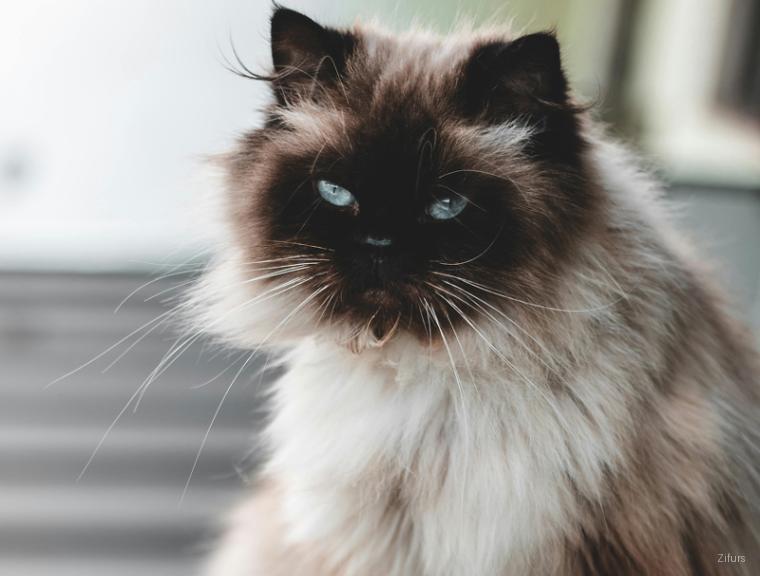
The Himalayan is a beautiful long-haired cat breed known for its luxurious coat, striking blue eyes, flat or rounded facial features, and distinctive color-point markings. Often described as a combination of the Persian's long coat and gentle personality with the Siamese's pointed coloring, the Himalayan is a calm and affectionate companion that enjoys a comfortable indoor lifestyle.
Himalayan cats are known for being affectionate, gentle, calm, intelligent, playful, and people-oriented. They generally enjoy spending time with their families and often form strong bonds with their owners. Although they can be playful, they are typically less energetic than highly active cat breeds and enjoy relaxing in comfortable surroundings.
Their long, dense coat requires consistent grooming to prevent tangles and mats. Himalayans also benefit from regular eye, ear, dental, and skin care. They are best suited to indoor homes where they can stay comfortable, clean, and protected from extreme temperatures.
Himalayan Cat Appearance
The Himalayan has a long, luxurious coat combined with the characteristic color-point pattern of pointed cats. Their body is generally compact and sturdy, with a broad chest, short legs, large round eyes, and a full tail.
Common physical characteristics of a Himalayan include:
- Medium to large-sized body
- Compact and sturdy build
- Short legs
- Large, round blue eyes
- Small, rounded ears
- Long, dense coat
- Full, bushy tail
- Color-point markings on the face, ears, legs, and tail
Himalayans are available in several point colors, including seal, blue, chocolate, lilac, red, and cream, along with various point patterns depending on the breed standard.
Himalayan Cat Temperament
The Himalayan temperament is generally calm, gentle, affectionate, and easy-going. These cats often enjoy quiet companionship and prefer staying close to their families.
They can be playful and curious, but they are usually not as energetic or demanding as highly active breeds. Himalayans often enjoy relaxing on furniture, sitting near their owners, and receiving gentle attention.
Are Himalayan Cats Good Family Pets?
Yes, Himalayan cats can make excellent family companions for households that can provide regular grooming and care. Their gentle and affectionate nature makes them suitable for families looking for a calm indoor cat.
They generally enjoy human companionship but also appreciate quiet spaces where they can rest undisturbed.
Are Himalayan Cats Good with Children?
Himalayan cats can get along well with respectful children when properly socialized. Their calm personality can make them suitable family companions, although they may not enjoy rough or overly energetic handling.
Children should be taught to handle cats gently and respect their boundaries, especially when the cat is sleeping, eating, or resting.
Himalayan Cat Intelligence and Training
Himalayan cats are intelligent and can learn household routines, simple behaviors, and interactive games through positive reinforcement.
Mental stimulation can include:
- Puzzle feeders
- Interactive toys
- Food-based games
- Clicker training
- Gentle fetch games
- Interactive play
Short and positive training sessions can help keep them mentally engaged without overwhelming their naturally calm personality.
Himalayan Cat Exercise Requirements
Himalayan cats have moderate to low exercise needs compared with highly active breeds. They enjoy short periods of play, gentle chasing games, and exploring their surroundings.
Suitable activities include:
- Interactive wand toys
- Gentle chasing games
- Scratching posts
- Puzzle toys
- Interactive feeders
- Low-impact play
Regular activity is important for maintaining a healthy body weight, particularly because Himalayan cats can have a relatively relaxed lifestyle.
Can Himalayan Cats Live in Apartments?
Yes, Himalayan cats can adapt very well to apartment living. Their calm personality and moderate activity level make them well suited to indoor homes.
Owners should provide comfortable resting areas, scratching posts, interactive toys, and safe spaces where the cat can retreat when it wants privacy.
Himalayan Cat Grooming Requirements
The Himalayan's long and dense coat requires regular grooming. Without consistent brushing, the coat can develop tangles and painful mats.
Basic grooming should include:
- Daily brushing or thorough combing
- Regular bathing when necessary
- Eye cleaning
- Nail trimming
- Ear cleaning
- Dental care
- Regular veterinary examinations
Extra attention should be given to areas that are prone to tangling, including the chest, belly, legs, armpits, and behind the ears.
Do Himalayan Cats Shed a Lot?
Yes, Himalayan cats can shed significantly because of their long, dense coat. Loose hair can accumulate around the home, particularly during seasonal shedding periods.
Daily grooming helps remove loose fur, reduce tangles, and keep the coat healthy.
Are Himalayan Cats Hypoallergenic?
No, Himalayan cats are not considered hypoallergenic. Their long coat can carry allergens, while cat allergens are also present in dander, saliva, and skin secretions.
People with cat allergies should spend time around a Himalayan before deciding to bring one home.
Himalayan Cat Health
Himalayan cats require regular veterinary examinations, vaccinations, parasite prevention, dental care, balanced nutrition, grooming, and appropriate weight management.
Because of their Persian ancestry and facial structure, some Himalayans can be predisposed to breathing difficulties, eye problems, dental issues, and skin problems. Polycystic kidney disease is also an important inherited concern in Persian-related cats.
Owners should watch for changes in breathing, excessive eye discharge, difficulty eating, skin irritation, changes in urination, or other unusual symptoms and seek veterinary advice when needed.
What Should You Feed a Himalayan Cat?
A Himalayan should receive a complete and balanced diet appropriate for its age, size, activity level, and individual health requirements.
Because Himalayans can have a relatively relaxed lifestyle, portion control is important to help prevent excess weight. Wet food can also contribute to overall hydration when appropriately incorporated into a balanced diet.
Fresh drinking water should always be available.
Himalayan Cat Socialization
Early socialization can help Himalayan kittens become comfortable with different people, household sounds, handling, grooming, and appropriately introduced pets.
Gentle and positive experiences during kittenhood can help them become confident and adaptable adult cats.
Are Himalayan Cats Good with Other Pets?
Himalayan cats can generally live with other cats and cat-friendly dogs when introduced gradually and appropriately. Their calm personality can make them suitable for peaceful multi-pet households.
Introductions should be gradual and supervised, with each pet having access to separate food, water, litter, and resting areas.
Are Himalayan Cats Affectionate?
Yes, Himalayan cats are generally affectionate and enjoy spending time with their families. Many like sitting beside their owners, relaxing on laps, or receiving gentle attention.
They often prefer calm companionship rather than constant activity or stimulation.
Are Himalayan Cats Vocal?
Himalayan cats are generally relatively quiet. They may use soft meows and other gentle vocalizations to communicate, but they are typically less vocal than highly talkative breeds.
Are Himalayan Cats Good for First-Time Cat Owners?
Himalayan cats can be suitable for first-time cat owners who are prepared for their extensive grooming and routine healthcare requirements.
Their calm and affectionate temperament can make them manageable companions, but their long coat and potential health concerns mean owners should be prepared for regular care and veterinary monitoring.
Do Himalayan Cats Need a Lot of Attention?
Himalayan cats enjoy human companionship but are generally not as demanding as highly active breeds. They benefit from daily interaction, gentle play, affection, and a comfortable environment.
They should still receive regular attention and should not be routinely left alone for excessively long periods.
How Long Do Himalayan Cats Live?
Himalian cats can commonly live around 12 to 15 years or longer with appropriate nutrition, preventive veterinary care, responsible breeding, and a healthy indoor lifestyle. Individual lifespan varies depending on genetics, healthcare, diet, and overall wellbeing.
Himalayan Cat Price in India
The Himalayan cat price in India can vary depending on pedigree, breeder reputation, lineage, coat quality, point color, health screening, location, age, and availability.
As a general estimate, a Himalayan kitten in India may cost approximately ₹20,000 to ₹60,000 or more.
Imported or exceptionally well-bred kittens may cost considerably more because of transportation, documentation, health checks, and limited availability.
Prospective owners should consider health records, vaccination history, parental health, kitten socialization, living conditions, and responsible breeding practices rather than choosing a kitten based solely on price.
Himalayan Cat Monthly Maintenance Cost in India
The estimated Himalayan cat monthly maintenance cost in India can range from approximately ₹4,000 to ₹8,000 or more, depending on food, litter, grooming, healthcare, preventive treatments, and lifestyle.
Regular expenses may include:
- Quality cat food
- Cat litter
- Professional or home grooming
- Routine veterinary care
- Vaccinations
- Parasite prevention
- Dental care
- Eye and ear care
- Toys and enrichment
Can Himalayan Cats Live in India's Climate?
Himalayan cats can live in India, but their long, dense coat and facial structure require additional care during hot weather. They should have access to a cool indoor environment, fresh water, shade, and good ventilation.
During periods of extreme heat, air conditioning or another effective cooling method may be necessary. Outdoor exposure and strenuous activity should be minimized during the hottest parts of the day.
Are Himalayan Cats High-Maintenance?
Yes, Himalayan cats can be considered relatively high-maintenance because of their long coat and facial care requirements. Daily grooming, regular eye cleaning, dental care, and veterinary monitoring are important parts of responsible ownership.
Owners should be prepared to invest time in grooming and maintaining a clean, comfortable indoor environment.
Do Himalayan Cats Need Daily Grooming?
Yes, daily brushing is generally recommended for Himalayan cats because their long coat can become tangled and matted easily. Regular grooming is especially important around the chest, belly, legs, and behind the ears.
Establishing a grooming routine from kittenhood can make brushing easier and more comfortable for the cat.
Do Himalayan Cats Have Breathing Problems?
Some Himalayan cats, particularly those with very flat facial structures, can be more prone to breathing difficulties associated with brachycephalic anatomy. Heat can make breathing problems more difficult.
Owners should seek veterinary attention if a Himalayan shows persistent noisy breathing, difficulty breathing, excessive panting, or reduced tolerance for activity.
Do Himalayan Cats Have Eye Problems?
Himalayan cats can be prone to eye watering and tear staining because of their facial structure. Regular gentle cleaning around the eyes can help keep the area clean.
Persistent redness, swelling, cloudiness, excessive discharge, or signs of discomfort should be evaluated by a veterinarian.
Final Thoughts
The Himalayan is a beautiful, calm, affectionate, and gentle cat breed known for its luxurious long coat, striking blue eyes, and distinctive color-point markings. Its relaxed personality makes it a popular indoor companion for families and individuals.
For prospective owners in India, it is important to consider both the Himalayan cat price in India and ongoing costs for food, litter, grooming, healthcare, eye care, and preventive treatment before bringing one home.
With daily grooming, a balanced diet, regular veterinary care, appropriate eye and dental care, temperature management, daily interaction, and a comfortable indoor environment, the Himalayan can be a loving and rewarding companion.
Care Requirements
Compatibility
Available Colors
Health Considerations
- Brachycephalic Syndrome
- Polycystic Kidney Disease
- Progressive Retinal Atrophy
- Dental Malocclusion
Fun Facts
- The Himalayan cat was officially recognized as a breed in the 1950s, becoming popular in cat shows worldwide.
- The Himalayan cat was created through intentional breeding programs in the 1930s, combining Persian and Siamese traits.
Frequently Asked Questions
Common questions about the Himalayan breed.
What is a Himalayan cat?
The Himalayan is a long-haired, color-point cat breed with a Persian-type body and coat and striking blue eyes. Himalayans are generally calm, affectionate, intelligent, and people-oriented companions.
How much does a Himalayan cat cost in India?
The Himalayan cat price in India can vary depending on pedigree, breeder reputation, lineage, coat quality, point color, health screening, location, age, and availability. A kitten may typically cost around ₹20,000 to ₹60,000 or more.
Are Himalayan cats good family pets?
Yes, Himalayan cats can make excellent family pets. They are generally gentle, affectionate, calm, and adaptable and enjoy spending time with their families.
Are Himalayan cats good with children?
Himalayans can get along well with respectful children when properly socialized. Their calm personality makes them suitable family companions, although children should be taught to handle them gently.
Are Himalayan cats good with other pets?
Yes, Himalayan cats can generally live with other cats and cat-friendly dogs when introductions are gradual and properly managed. Their generally gentle temperament can make them suitable for multi-pet households.
Are Himalayan cats affectionate?
Yes, Himalayan cats are generally affectionate and enjoy human companionship. Many like sitting on laps, relaxing beside their owners, and receiving gentle attention.
Are Himalayan cats lap cats?
Yes, many Himalayans enjoy being lap cats and relaxing close to their owners. Individual cats have different preferences, but the breed is generally known for enjoying cuddling and quiet companionship.
Are Himalayan cats easy to train?
Himalayan cats are intelligent and can learn household routines, simple cues, and interactive games using positive reinforcement. Short training sessions and treats can provide useful mental stimulation.
How much exercise does a Himalayan cat need?
Himalayans have moderate activity needs. They enjoy interactive toys, chasing balls, gentle play, and short bursts of activity but generally spend significant amounts of time relaxing.
Can Himalayan cats live in apartments?
Yes, Himalayan cats can adapt very well to apartment living. Their calm personality and moderate activity level make them suitable indoor companions when provided with play, scratching areas, comfortable resting spaces, and regular interaction.
Do Himalayan cats shed a lot?
Yes, Himalayan cats have a long, dense coat and can shed considerably. Daily brushing is recommended to remove loose hair and prevent tangles and painful mats.
How often should a Himalayan cat be groomed?
Himalayan cats generally require daily brushing and combing because their long coat and dense undercoat can mat easily. Regular grooming should also include nail care, dental care, and routine eye and ear checks.
Do Himalayan cats need professional grooming?
Some Himalayan cats may benefit from professional grooming, particularly when owners have difficulty maintaining the long coat or when severe mats develop. Regular home grooming is still important even when professional grooming is used.
Are Himalayan cats hypoallergenic?
No, Himalayan cats are not considered hypoallergenic. Their long coat can carry allergens, while cat allergens are also present in dander, saliva, and skin secretions.
Are Himalayan cats vocal?
Himalayan cats are generally relatively quiet and may communicate with soft, melodious vocalizations. They are usually less demanding vocally than highly talkative cat breeds.
What should I feed a Himalayan cat?
A Himalayan should receive a complete and balanced diet appropriate for its age, size, activity level, and health requirements. Portion control is important because their relatively calm lifestyle can increase the risk of excess weight.
What is the monthly maintenance cost of a Himalayan cat in India?
The estimated Himalayan cat monthly maintenance cost in India can range from approximately ₹4,000 to ₹8,000 or more. Expenses may include food, litter, grooming, veterinary care, vaccinations, parasite prevention, dental care, eye care, and enrichment.
How long do Himalayan cats live?
Himalayan lifespan varies between individuals. Depending on genetics, health, breeding, nutrition, and veterinary care, they may commonly live around 9 to 15 years, with some cats living longer.
Are Himalayan cats suitable for first-time cat owners?
Himalayan cats can be suitable for first-time owners who are prepared for their extensive grooming and routine healthcare needs. Their gentle and affectionate temperament can make them manageable companions, but daily coat care is essential.
Do Himalayan cats need a lot of attention?
Himalayans enjoy human companionship and affection but are generally not excessively demanding. They benefit from daily interaction, grooming, play, and attention while also enjoying quiet periods of relaxation.
Are Himalayan cats active?
Himalayans have a moderate activity level. They can have sudden bursts of kitten-like playfulness but generally prefer lounging, cuddling, and relaxing for much of the day.
Do Himalayan cats like to climb?
Himalayans are generally less interested in climbing and high jumping than many athletic cat breeds. They usually prefer comfortable, accessible resting areas and gentle play close to the ground.
What colors do Himalayan cats come in?
Himalayan cats have a light-colored body with darker color points on the face, ears, legs, feet, and tail. Point colors can include seal, blue, chocolate, lilac, red, cream, tortoiseshell, and blue-cream, with additional patterns such as tabby or lynx points.
Do Himalayan cats always have blue eyes?
Yes, blue eyes are a defining characteristic of the Himalayan. Their eyes are typically large, round, and blue, complementing their color-point coat.
Are Himalayan cats good indoor cats?
Yes, Himalayan cats are well suited to indoor living. A safe indoor environment protects their long coat and flat facial structure from outdoor hazards while allowing owners to manage grooming and temperature more effectively.
Do Himalayan cats have health problems?
Himalayan cats can be predisposed to certain health concerns, including breathing difficulties associated with flat facial structure, eye problems, dental abnormalities, polycystic kidney disease, and some inherited conditions. Regular veterinary care and responsible breeding are important.
Do Himalayan cats have breathing problems?
Some Himalayans, particularly those with very flat facial structures, can experience breathing difficulties related to brachycephalic anatomy. Heat, obesity, and respiratory illness can make breathing problems worse.
Do Himalayan cats have eye problems?
Himalayan cats can experience excessive tearing and tear staining because of their facial structure. Some may also be prone to conditions affecting the eyes. Persistent redness, swelling, cloudiness, discharge, or discomfort should be evaluated by a veterinarian.
Do Himalayan cats need their eyes cleaned?
Yes, regular gentle cleaning around the eyes can help remove tear residue and keep the facial area clean. A soft damp cloth can be used, while persistent discharge or irritation should be checked by a veterinarian.
Can Himalayan cats live in India's climate?
Himalayan cats can live in India, but they need careful temperature management because of their dense coat and facial structure. They should have access to a cool indoor environment, fresh water, shade, and good ventilation during hot weather.
Are Himalayan cats high-maintenance?
Yes, Himalayan cats are relatively high-maintenance because their long coat requires daily grooming. Regular eye care, dental care, nail trimming, ear checks, and veterinary monitoring are also important.
Do Himalayan cats need daily grooming?
Yes, daily brushing and combing are generally recommended for Himalayan cats. Their dense undercoat can develop mats quickly if grooming is skipped, and severe mats can become uncomfortable or painful.
Do Himalayan cats get overweight?
Himalayan cats can gain excess weight if they consume more calories than they use. Their relatively calm lifestyle makes portion control, regular play, and monitoring body condition particularly important.
What is the best diet for a Himalayan cat?
The best diet is a complete and balanced cat food appropriate for the cat's age, activity level, and health status. Portion sizes should be monitored, and fresh water should always be available.
Are Himalayan cats good for senior citizens?
Himalayans can be good companions for people who prefer a calm and affectionate cat. However, prospective owners should be comfortable with daily grooming, regular eye care, and the breed's ongoing healthcare needs.
Can Himalayan cats be left alone?
Himalayans can spend some time alone and are generally comfortable in a calm home. However, they still need regular companionship, grooming, play, and attention and should not routinely be left alone for excessively long periods.
Do Himalayan cats like to be held?
Many Himalayan cats enjoy being held, cuddled, or sitting on a lap. Individual preferences vary, so owners should always pay attention to their cat's body language and comfort.
Are Himalayan cats quiet cats?
Yes, Himalayan cats are generally quiet and communicate with soft, melodious vocalizations. They are usually better suited to calm households than highly noisy or constantly changing environments.
What makes Himalayan cats different from Persian cats?
Himalayan cats share the Persian's long coat, body type, and generally calm personality but have Siamese-derived color-point markings and blue eyes. The exact classification of the Himalayan varies between cat associations.