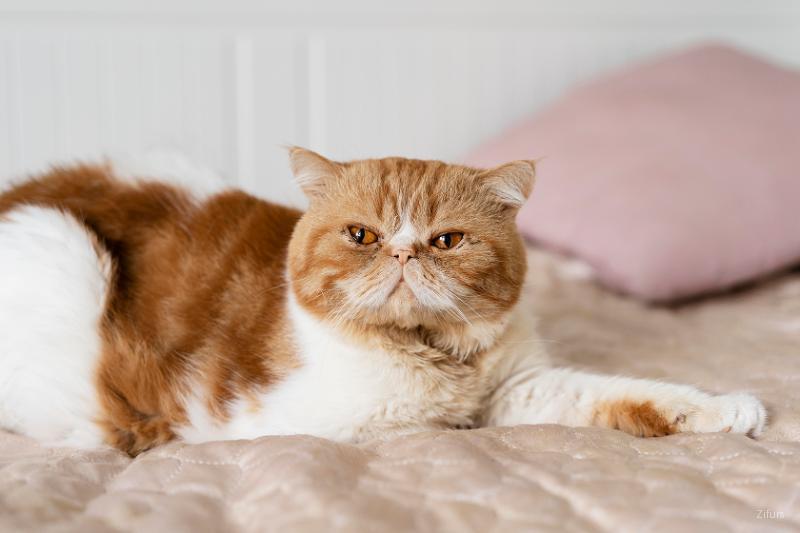
Exotic Shorthair
Last Updated:
The Exotic Shorthair cat is a calm, affectionate, and low-maintenance companion known for its round face and plush short coat. Often called the “short-haired Persian,” this breed is perfect for apartment living and families seeking a gentle and easy-to-care-for pet.
Height
8 - 10 inches
Intelligence
Moderate
Lifespan
12 - 15 years
Weight
3 - 6 kg
Temperament
About
The Exotic Shorthair is a charming and affectionate cat breed known for its round face, large expressive eyes, compact body, and plush short coat. Often described as the short-haired version of the Persian, the Exotic Shorthair combines the gentle personality and distinctive appearance of the Persian with a coat that is generally easier to maintain.
Exotic Shorthairs are known for being affectionate, calm, playful, gentle, adaptable, and people-oriented. They usually form close bonds with their families and enjoy spending time around their owners. While they can be playful, they are generally less demanding of exercise than highly active cat breeds.
Their short, dense coat requires regular brushing to remove loose hair and maintain its plush appearance. Exotic Shorthairs are well suited to indoor living and can adapt to apartments, provided they have comfortable resting areas, regular interaction, and opportunities for gentle play and mental stimulation.
Exotic Shorthair Appearance
The Exotic Shorthair has a distinctive rounded appearance with a broad head, short nose, large eyes, and a compact, sturdy body. Its dense plush coat gives it a soft and teddy-bear-like appearance.
Common physical characteristics of an Exotic Shorthair include:
- Medium-sized, compact body
- Strong and sturdy build
- Large, rounded head
- Short nose
- Large expressive eyes
- Small, rounded ears
- Short, thick neck
- Dense and plush short coat
- Short to medium-length tail
Exotic Shorthairs come in a wide variety of colors and patterns, including solid, tabby, tortoiseshell, bicolor, calico, and other recognized combinations.
Exotic Shorthair Temperament
The Exotic Shorthair temperament is generally calm, affectionate, gentle, playful, and easy-going. They often enjoy being around their owners without constantly demanding attention.
Many Exotic Shorthairs are content to relax beside their families and enjoy quiet companionship. They can also have a playful side and may enjoy interactive toys, chasing games, and short play sessions.
Are Exotic Shorthairs Good Family Pets?
Yes, Exotic Shorthairs can make excellent family companions. Their gentle and adaptable personality makes them suitable for many different households.
They generally enjoy human companionship and can form strong bonds with family members while still being relatively easy-going and independent.
Are Exotic Shorthairs Good with Children?
Exotic Shorthairs can get along well with children when properly socialized and handled gently. Their generally calm temperament can make them suitable for families.
Children should be taught to handle the cat carefully and respect its space, particularly when it is eating, sleeping, or resting.
Exotic Shorthair Intelligence and Training
Exotic Shorthairs are intelligent cats that can learn household routines, simple behaviors, and interactive games. Positive reinforcement can be used to encourage desirable behaviors.
Mental stimulation can include:
- Puzzle feeders
- Interactive toys
- Food-based games
- Clicker training
- Simple tricks
- Interactive play
Short and gentle training sessions can help keep an Exotic Shorthair mentally engaged without overwhelming the cat.
Exotic Shorthair Exercise Requirements
Exotic Shorthairs have moderate exercise needs compared with highly energetic cat breeds. They enjoy short periods of interactive play followed by plenty of rest.
Suitable activities include:
- Interactive wand toys
- Chasing games
- Puzzle toys
- Cat trees
- Scratching posts
- Interactive feeders
Regular gentle exercise is important for maintaining a healthy weight, especially because their relatively calm nature can make them less active than some other breeds.
Can Exotic Shorthairs Live in Apartments?
Yes, Exotic Shorthairs can adapt very well to apartment living. Their calm temperament and moderate activity level make them suitable for indoor homes.
Owners should provide comfortable sleeping areas, scratching posts, interactive toys, and regular play sessions to keep them physically and mentally stimulated.
Exotic Shorthair Grooming Requirements
Although the Exotic Shorthair has a short coat, it is dense and plush and requires regular grooming. Brushing helps remove loose hair, reduce shedding, and prevent the coat from becoming tangled.
Basic grooming should include:
- Regular brushing
- Gentle facial cleaning when necessary
- Nail trimming
- Ear cleaning
- Dental care
- Occasional bathing when necessary
Particular attention should be given to the face and area around the eyes because the breed's short facial structure can make tear staining and facial moisture more noticeable.
Do Exotic Shorthairs Shed a Lot?
Exotic Shorthairs can shed moderately because of their dense coat. Regular brushing helps remove loose hair and can reduce the amount of fur left around the home.
Shedding may become more noticeable during seasonal coat changes.
Are Exotic Shorthairs Hypoallergenic?
No, Exotic Shorthairs are not considered hypoallergenic. They produce allergens through dander, saliva, and other sources, and their dense coat can carry loose hair and skin particles.
People with cat allergies should spend time around an Exotic Shorthair before bringing one home.
Exotic Shorthair Health
Exotic Shorthairs require regular veterinary examinations, vaccinations, parasite prevention, dental care, balanced nutrition, and appropriate weight management.
Because of their close relationship to Persian cats and their characteristic short facial structure, they can be predisposed to certain breed-associated health concerns. Responsible breeding and appropriate veterinary screening are important.
Owners should pay attention to breathing, eye health, dental health, weight, skin condition, and general activity levels and consult a veterinarian if they notice persistent changes.
What Should You Feed an Exotic Shorthair?
An Exotic Shorthair should receive a complete and balanced diet appropriate for its age, size, activity level, and individual health requirements.
Because Exotic Shorthairs can have a relatively relaxed lifestyle, portion control and regular activity are important for preventing excess weight gain. Fresh drinking water should always be available.
Exotic Shorthair Socialization
Early socialization can help Exotic Shorthair kittens become comfortable around people, household sounds, handling, grooming, and appropriately introduced pets.
Gentle and positive experiences during kittenhood can help them develop confidence and adapt well to their home environment.
Are Exotic Shorthairs Good with Other Pets?
Exotic Shorthairs can generally live with other cats and cat-friendly dogs when introduced gradually and appropriately. Their calm and social personality can make them suitable for multi-pet households.
Introductions should be gradual and supervised, with every pet having access to separate food, water, litter, and resting areas.
Are Exotic Shorthairs Affectionate?
Yes, Exotic Shorthairs are generally affectionate and enjoy spending time with their owners. Many like sitting beside their family members, receiving gentle attention, or relaxing on a lap.
Individual cats vary in how much physical affection they prefer, so their body language and personal boundaries should always be respected.
Are Exotic Shorthairs Vocal?
Exotic Shorthairs are generally quieter than some highly vocal breeds. They may meow or make other sounds to communicate with their owners, but their vocalization level varies between individuals.
This relatively quiet nature can make them suitable for people who prefer a calmer indoor companion.
Are Exotic Shorthairs Good for First-Time Cat Owners?
Exotic Shorthairs can be suitable for first-time cat owners who are prepared to provide regular grooming, veterinary care, nutrition, companionship, and indoor enrichment.
Their calm temperament and moderate exercise requirements can make them comparatively easy to manage, although their dense coat and facial structure require consistent care.
Do Exotic Shorthairs Need a Lot of Attention?
Exotic Shorthairs generally enjoy companionship but are not usually as demanding as some highly active or vocal breeds. They are often happy to relax near their owners while also enjoying periods of interactive play.
Daily interaction and enrichment are still important for their emotional and physical wellbeing.
How Long Do Exotic Shorthairs Live?
Exotic Shorthairs can live for many years with appropriate nutrition, preventive veterinary care, a safe indoor environment, and responsible breeding. Individual lifespan can vary depending on genetics, health, diet, and overall care.
Exotic Shorthair Cat Price in India
The Exotic Shorthair cat price in India can vary depending on pedigree, breeder reputation, lineage, health screening, coat color and pattern, location, age, and availability.
As a general estimate, an Exotic Shorthair kitten in India may cost approximately ₹30,000 to ₹90,000 or more.
Imported or exceptionally well-bred kittens may cost considerably more because of transportation, documentation, and limited availability.
Prospective owners should consider health records, vaccination history, parental health, kitten socialization, living conditions, and responsible breeding practices rather than choosing a kitten based solely on price.
Exotic Shorthair Monthly Maintenance Cost in India
The estimated Exotic Shorthair monthly maintenance cost in India can range from approximately ₹3,000 to ₹7,000 or more, depending on food, litter, healthcare, grooming, preventive treatments, toys, and lifestyle.
Regular expenses may include:
- Quality cat food
- Cat litter
- Routine veterinary care
- Vaccinations
- Parasite prevention
- Grooming supplies
- Dental care
- Eye and facial cleaning supplies
- Toys and enrichment
Can Exotic Shorthairs Live in India's Climate?
Exotic Shorthairs can live comfortably in India's climate when kept in a suitable indoor environment. During hot weather, owners should provide fresh water, good ventilation, shade, and a cool resting area.
Because of their short facial structure and dense coat, extra care should be taken during periods of extreme heat. Outdoor activity should be limited during the hottest parts of the day.
Are Exotic Shorthairs High-Maintenance Cats?
Exotic Shorthairs have moderate maintenance requirements. Their short coat is easier to manage than a Persian's long coat, but regular brushing, facial care, dental hygiene, veterinary check-ups, and weight management are still important.
Their calm personality and moderate exercise requirements can make everyday care relatively manageable for prepared owners.
Are Exotic Shorthairs Related to Persian Cats?
Yes, the Exotic Shorthair was developed using Persian cats along with other breeds to create a short-coated cat with many of the Persian's desirable characteristics.
As a result, Exotic Shorthairs share several physical and personality traits with Persians while having a shorter, dense coat that generally requires less extensive grooming.
Do Exotic Shorthairs Have Breathing Problems?
Some Exotic Shorthairs can experience breathing difficulties because of their brachycephalic, or short-faced, structure. The severity can vary between individual cats.
Owners should monitor for persistent noisy breathing, difficulty breathing, excessive heat intolerance, or unusual respiratory effort and seek veterinary care if these signs occur.
Final Thoughts
The Exotic Shorthair is a calm, affectionate, playful, and adaptable cat breed known for its round face, large eyes, compact body, and plush short coat. It combines many of the charming characteristics associated with Persian cats with a shorter coat that is generally easier to maintain.
For prospective owners in India, it is important to consider both the Exotic Shorthair cat price in India and ongoing costs for food, litter, healthcare, grooming, facial care, and preventive treatment before bringing one home.
With appropriate nutrition, regular veterinary care, consistent grooming, weight management, gentle exercise, companionship, and a comfortable indoor environment, the Exotic Shorthair can be a loving and rewarding companion for individuals and families.
Care Requirements
Compatibility
Available Colors
Health Considerations
- Breathing Problems due to short nose
- Tear staining
- Eye discharge
- Misaligned teeth
- Hypertrophic cardiomyopathy
- Polycystic kidney disease
Fun Facts
- Their round face, big eyes, and plush coat make them look like real-life teddy bears.
- Exotic Shorthairs are often called “Lazy Man’s Persian” because they look like Persians but are much easier to groom.
Frequently Asked Questions
Common questions about the Exotic Shorthair breed.
What is an Exotic Shorthair cat?
The Exotic Shorthair is a Persian-related cat breed known for its round face, large expressive eyes, compact body, and dense plush short coat. It combines the gentle personality and appearance of the Persian with a shorter coat that is generally easier to maintain.
How much does an Exotic Shorthair cat cost in India?
The Exotic Shorthair cat price in India can vary depending on pedigree, breeder reputation, lineage, health screening, coat color and pattern, location, age, and availability. A kitten may typically cost around ₹30,000 to ₹90,000 or more.
Are Exotic Shorthairs good family pets?
Yes, Exotic Shorthairs can make excellent family pets. They are generally sweet, affectionate, gentle, quiet, adaptable, and comfortable living with people. They can be especially suitable for families looking for a calm indoor companion.
Are Exotic Shorthairs good with children?
Exotic Shorthairs can get along well with children when properly socialized and handled gently. Their calm and patient nature can make them suitable family cats, although young children should always be supervised.
Are Exotic Shorthairs good with other pets?
Yes, Exotic Shorthairs can generally live peacefully with other cats and cat-friendly dogs when introduced gradually. They may initially be cautious around unfamiliar animals but can adapt with proper socialization.
Are Exotic Shorthairs affectionate?
Yes, Exotic Shorthairs are generally affectionate and loyal cats. They enjoy staying close to their owners and may happily sit on a lap or relax beside family members without constantly demanding attention.
Are Exotic Shorthairs easy to train?
Exotic Shorthairs are intelligent and can learn household routines, simple commands, interactive games, and desirable behaviors through positive reinforcement. Short training sessions can also provide useful mental stimulation.
How much exercise does an Exotic Shorthair need?
Exotic Shorthairs have moderate activity needs. They enjoy interactive play, chasing toys, puzzle feeders, scratching posts, and short play sessions, followed by plenty of rest.
Can Exotic Shorthairs live in apartments?
Yes, Exotic Shorthairs can adapt very well to apartment living. Their calm temperament and moderate activity level make them suitable indoor cats, provided they have comfortable resting areas, scratching posts, toys, and regular interaction.
Do Exotic Shorthairs shed a lot?
Exotic Shorthairs can shed moderately because they have a dense plush coat. Shedding can become more noticeable during seasonal coat changes, and regular combing helps remove loose hair.
How often should an Exotic Shorthair be groomed?
Exotic Shorthairs generally benefit from regular combing, with weekly grooming often being sufficient during much of the year. More frequent grooming may be useful during heavier shedding periods.
Are Exotic Shorthairs hypoallergenic?
No, Exotic Shorthairs are not considered hypoallergenic. They produce allergens through dander, saliva, and other sources, so people with cat allergies should spend time around the breed before bringing one home.
Are Exotic Shorthairs vocal?
Exotic Shorthairs are generally quiet cats. They may use soft meows, purrs, or other gentle sounds to communicate, but they are usually less vocal than breeds such as the Siamese or Oriental Shorthair.
What should I feed an Exotic Shorthair?
An Exotic Shorthair should receive a complete and balanced diet appropriate for its age, size, activity level, and health requirements. Portion control and regular activity are important because maintaining a healthy body weight is essential.
What is the monthly maintenance cost of an Exotic Shorthair in India?
The estimated Exotic Shorthair monthly maintenance cost in India can range from approximately ₹3,000 to ₹7,000 or more. Expenses may include food, litter, veterinary care, vaccinations, parasite prevention, grooming, dental care, facial cleaning, toys, and enrichment.
How long do Exotic Shorthairs live?
Exotic Shorthairs can live for many years with appropriate nutrition, preventive veterinary care, responsible breeding, and a healthy lifestyle. Lifespan varies between individual cats depending on genetics and overall health.
Are Exotic Shorthairs suitable for first-time cat owners?
Exotic Shorthairs can be suitable for first-time cat owners who want a calm and affectionate indoor companion. Their coat is easier to maintain than a Persian's, but owners still need to provide regular grooming, facial care, veterinary care, and appropriate nutrition.
Do Exotic Shorthairs need a lot of attention?
Exotic Shorthairs enjoy human companionship but generally do not demand constant attention. They are often content to relax near their owners while also enjoying periods of interactive play.
Are Exotic Shorthairs active cats?
Exotic Shorthairs have a moderate activity level. They can be playful and inquisitive, especially when young, but they generally enjoy a balanced routine of short play sessions and long periods of rest.
What colors do Exotic Shorthair cats come in?
Exotic Shorthairs are available in a wide variety of colors and patterns, including solid, tabby, silver, golden, tortoiseshell, calico, bicolor, shaded, smoke, and pointed patterns.
Are Exotic Shorthairs related to Persian cats?
Yes, Exotic Shorthairs are closely related to Persian cats and were developed to retain the Persian's characteristic body type and personality while having a shorter, dense coat.
Do Exotic Shorthairs like to cuddle?
Many Exotic Shorthairs enjoy cuddling, lap time, and staying close to their owners. However, individual cats have different preferences, so their body language and personal boundaries should always be respected.
Do Exotic Shorthairs have breathing problems?
Some Exotic Shorthairs can experience breathing difficulties because of their brachycephalic, or short-faced, structure. Severity varies between individual cats. Owners should seek veterinary attention for persistent noisy breathing, respiratory difficulty, or unusual heat intolerance.
Do Exotic Shorthairs have eye problems?
Exotic Shorthairs can be prone to eye-related issues because of their facial structure, including excessive tearing and irritation. Regular gentle facial and eye-area cleaning and routine veterinary examinations can help maintain eye health.
Are Exotic Shorthairs sensitive to heat?
Yes, their short facial structure can make some Exotic Shorthairs less tolerant of heat. During hot weather, they should have access to a cool indoor environment, fresh water, shade, and good ventilation. Strenuous activity should be avoided during extreme heat.
Do Exotic Shorthairs have health problems?
Exotic Shorthairs can be predisposed to certain health concerns associated with their Persian ancestry and brachycephalic facial structure, including breathing, eye, dental, and kidney-related conditions. Responsible breeding and appropriate veterinary screening are important.
Can Exotic Shorthairs live in India's climate?
Exotic Shorthairs can live in India when kept in a comfortable indoor environment. During hot weather, owners should provide air conditioning or effective cooling where needed, fresh water, shade, and good ventilation, while avoiding excessive heat exposure.
Are Exotic Shorthairs high-maintenance cats?
Exotic Shorthairs have lower grooming requirements than Persian cats but are not completely maintenance-free. Regular coat care, facial cleaning, dental care, veterinary check-ups, weight management, and protection from excessive heat are important.