Devon Rex
Last Updated:
The Devon Rex cat is a playful, intelligent, and affectionate breed known for its curly coat, large ears, and mischievous personality. Often called the “pixie cat,” it is highly social and perfect for interactive households in India.
Height
8 to 10 inches
Intelligence
Very High
Lifespan
12 - 16 years
Weight
2.5 - 4 kg
Temperament
About
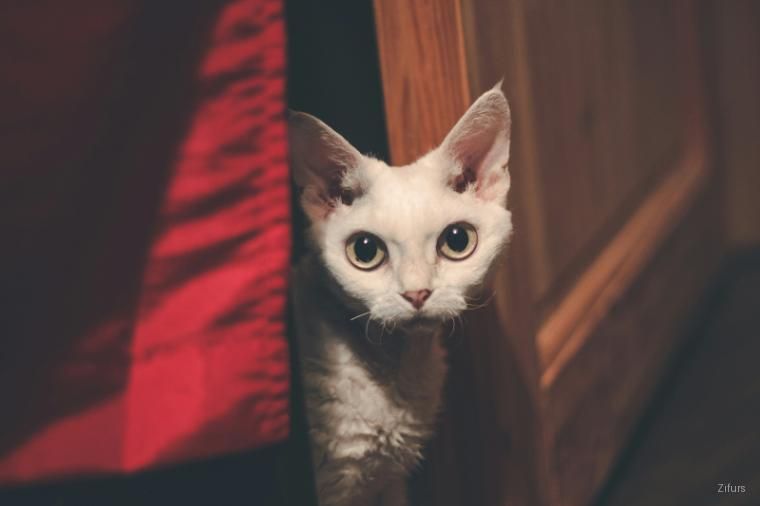
The Devon Rex is a distinctive cat breed known for its soft, curly coat, oversized ears, large expressive eyes, and playful personality. Often described as a mischievous and affectionate companion, the Devon Rex has an unusual appearance combined with a highly social and people-oriented nature.
Devon Rex cats are known for being intelligent, affectionate, playful, curious, energetic, and social. They often form strong bonds with their owners and enjoy staying close to people. Their playful personality can continue well into adulthood, making them an entertaining companion for families and individuals.
The Devon Rex has a short, delicate coat that requires relatively little grooming compared with many long-haired breeds. However, these cats need regular interaction, exercise, and mental stimulation because of their active and curious nature. They can adapt well to indoor and apartment living when provided with enough playtime, climbing opportunities, and companionship.
Devon Rex Appearance
The Devon Rex has one of the most recognizable appearances among cat breeds. Its large ears, high cheekbones, slender body, large eyes, and curly coat give it an almost elf-like appearance.
Common physical characteristics of a Devon Rex include:
- Small to medium-sized body
- Slender but muscular build
- Large, prominent ears
- Large expressive eyes
- High cheekbones
- Short, curly or wavy coat
- Long, slender legs
- Long tail
The coat can come in a wide variety of colors and patterns, making individual Devon Rex cats quite different in appearance.
Devon Rex Temperament
The Devon Rex temperament is generally affectionate, playful, intelligent, curious, and highly social. These cats often enjoy interacting with their owners and may follow them around the home.
Devon Rex cats are sometimes described as mischievous because they enjoy exploring, climbing, playing with objects, and investigating their surroundings. Their playful nature makes them engaging companions for people who want an interactive cat.
They generally prefer companionship and may not enjoy being left alone for extended periods.
Are Devon Rex Cats Good Family Pets?
Yes, Devon Rex cats can make excellent family companions. Their affectionate and playful nature allows them to become closely attached to their families.
They can be particularly suitable for households that want an interactive cat that enjoys spending time with people. Children should be taught to handle them gently and respectfully.
Are Devon Rex Cats Good with Children?
Devon Rex cats can get along well with children when properly socialized and treated respectfully. Their playful personality can make them fun companions for older children.
Young children should always be supervised around cats and taught not to pull their ears, tail, or coat or disturb them while they are eating or sleeping.
Devon Rex Intelligence and Training
Devon Rex cats are intelligent and curious, making them capable of learning routines, tricks, and interactive games. Positive reinforcement can make training both effective and enjoyable.
Mental stimulation can include:
- Puzzle feeders
- Interactive toys
- Clicker training
- Food-based games
- Fetch
- Climbing activities
- Interactive play
Short training sessions using treats, praise, and toys can help keep them mentally engaged.
Devon Rex Exercise Requirements
Devon Rex cats are active and playful and benefit from daily exercise. They enjoy climbing, jumping, chasing toys, and exploring their environment.
Suitable activities include:
- Interactive wand toys
- Cat trees
- Scratching posts
- Chasing games
- Fetch
- Puzzle toys
- Interactive feeders
Providing vertical spaces such as cat trees and shelves can help satisfy their natural desire to climb and explore.
Can Devon Rex Cats Live in Apartments?
Yes, Devon Rex cats can adapt very well to apartment living. Their compact size makes them suitable for indoor homes, but they need regular play, climbing opportunities, mental stimulation, and companionship.
Cat trees, scratching posts, interactive toys, and comfortable resting areas can help create a stimulating indoor environment.
Devon Rex Grooming Requirements
The Devon Rex has a short, delicate, curly coat that generally requires less brushing than many other breeds. However, its unusual coat and sensitive skin mean grooming should be gentle.
Basic grooming should include:
- Gentle regular brushing when needed
- Occasional bathing when necessary
- Regular nail trimming
- Ear cleaning
- Dental care
- Routine veterinary check-ups
The large ears of the Devon Rex may accumulate wax and should be checked regularly. Owners should avoid excessive brushing because the delicate coat can be easily damaged.
Do Devon Rex Cats Shed a Lot?
Devon Rex cats generally shed less visibly than many cats because of their short, curly coat. However, they are not completely non-shedding or hypoallergenic.
Individual cats can vary in how much they shed, and regular gentle grooming can help remove loose hair and maintain coat condition.
Are Devon Rex Cats Hypoallergenic?
Devon Rex cats are sometimes considered more suitable for people who are sensitive to cat allergens, but they are not completely hypoallergenic. Cat allergies are primarily triggered by proteins found in saliva, dander, and other sources rather than simply by fur.
People with allergies should spend time around a Devon Rex before deciding to bring one home.
Devon Rex Health
Devon Rex cats require regular veterinary examinations, vaccinations, parasite prevention, dental care, balanced nutrition, and appropriate weight management.
Like other breeds, Devon Rex cats can be predisposed to certain inherited health conditions. Responsible breeders should use appropriate health screening, and owners should maintain regular veterinary care throughout the cat's life.
Any persistent changes in appetite, weight, activity, coat condition, breathing, or behavior should be discussed with a veterinarian.
What Should You Feed a Devon Rex Cat?
A Devon Rex should receive a complete and balanced diet appropriate for its age, size, activity level, and individual health requirements.
Kittens, adult cats, and senior cats have different nutritional needs, so their diet should be adjusted as they grow. Portion control is also important to help maintain a healthy body weight.
Fresh drinking water should always be available.
Devon Rex Socialization
Early socialization can help Devon Rex kittens become comfortable with different people, household sounds, handling, grooming, and appropriately introduced pets.
Positive experiences during kittenhood can help them develop confidence and adapt more easily to changes in their environment.
Are Devon Rex Cats Good with Other Pets?
Devon Rex cats can often get along well with other cats and cat-friendly dogs when properly introduced. Their playful and social personality can make them suitable for multi-pet households.
Introductions should be gradual and supervised, with each pet having access to its own food, water, litter, and resting areas.
Are Devon Rex Cats Affectionate?
Yes, Devon Rex cats are generally very affectionate and people-oriented. They often enjoy staying close to their owners and may follow them around the home.
Some Devon Rex cats enjoy sitting on laps, cuddling, or sleeping close to their owners, although individual preferences can vary.
Are Devon Rex Cats Vocal?
Devon Rex cats can be communicative, although their vocalization level varies between individuals. Some may use soft meows and other sounds to interact with their owners.
Their social personality means they may use vocalizations to seek attention, communicate needs, or respond to their owners.
Are Devon Rex Cats Good for First-Time Cat Owners?
Devon Rex cats can be suitable for first-time cat owners who are prepared to provide regular attention, play, companionship, grooming, and veterinary care.
Their affectionate and social nature can make them rewarding companions, although owners should be prepared for their high level of curiosity and playful energy.
Do Devon Rex Cats Need a Lot of Attention?
Yes, Devon Rex cats are highly social and generally enjoy spending plenty of time with their owners. They can become bored or lonely when left alone for long periods without sufficient companionship or enrichment.
Daily interactive play, puzzle toys, climbing structures, and quality time with family members can help keep them happy and mentally stimulated.
How Long Do Devon Rex Cats Live?
Devon Rex cats can live for many years with appropriate nutrition, veterinary care, preventive healthcare, and a healthy lifestyle. Individual lifespan can vary depending on genetics, healthcare, diet, and overall wellbeing.
Devon Rex Cat Price in India
The Devon Rex cat price in India can vary depending on pedigree, breeder reputation, lineage, health screening, coat quality, location, age, and availability.
As a general estimate, a Devon Rex kitten in India may cost approximately ₹40,000 to ₹1,00,000 or more.
Imported or exceptionally well-bred kittens may cost considerably more because of transportation, documentation, and limited availability.
Prospective owners should consider health records, vaccination history, kitten socialization, living conditions, and responsible breeding practices rather than choosing a kitten based solely on price.
Devon Rex Monthly Maintenance Cost in India
The estimated Devon Rex monthly maintenance cost in India can range from approximately ₹3,000 to ₹7,000 or more, depending on food, litter, healthcare, preventive treatments, grooming, toys, and lifestyle.
Regular expenses may include:
- Quality cat food
- Cat litter
- Routine veterinary care
- Vaccinations
- Parasite prevention
- Grooming supplies
- Dental care
- Toys and enrichment
Can Devon Rex Cats Live in India's Climate?
Devon Rex cats can generally adapt to India's climate when kept in a comfortable indoor environment. During hot weather, owners should provide fresh water, good ventilation, shade, and a cool resting area.
Because their coat is short and relatively fine, owners should also protect them from prolonged exposure to extreme temperatures and direct sunlight.
Are Devon Rex Cats High-Maintenance?
Devon Rex cats have relatively low grooming requirements compared with many long-haired breeds, but they can be demanding in terms of companionship, play, attention, and mental stimulation.
They are best suited to owners who want an interactive and social cat and can dedicate sufficient time to daily interaction and enrichment.
Why Does the Devon Rex Have Curly Hair?
The Devon Rex's distinctive curly or wavy coat is caused by a naturally occurring genetic trait. Its unusual coat, combined with its large ears and expressive eyes, gives the breed its characteristic appearance.
Final Thoughts
The Devon Rex is an affectionate, intelligent, playful, and highly social cat breed known for its curly coat, large ears, expressive eyes, and mischievous personality. Its short coat makes grooming relatively simple, while its energetic and people-oriented nature makes it an engaging companion.
For prospective owners in India, it is important to consider both the Devon Rex cat price in India and ongoing costs for food, litter, healthcare, enrichment, and preventive care before bringing one home.
With a balanced diet, regular veterinary care, appropriate grooming, daily play, mental stimulation, companionship, and a safe indoor environment, the Devon Rex can be a loving and entertaining companion.
Care Requirements
Compatibility
Available Colors
Health Considerations
- Skin Issues (Oily Skin)
- Ear Wax Buildup
- Hypertrophic cardiomyopathy
- Devon Rex Myopathy
Fun Facts
- Devon Rex's wavy fur is due to a natural genetic mutation, making them unique among cat breeds.
- Devon Rex breed started from just one kitten (Kirlee), making its origin very unique.
Frequently Asked Questions
Common questions about the Devon Rex breed.
What is a Devon Rex cat?
The Devon Rex is a small to medium-sized cat breed known for its distinctive curly or wavy coat, large low-set ears, large expressive eyes, high cheekbones, and playful personality. It is an intelligent, active, and highly people-oriented breed.
How much does a Devon Rex cat cost in India?
The Devon Rex cat price in India can vary depending on pedigree, breeder reputation, lineage, health screening, coat quality, location, age, and availability. A Devon Rex kitten may typically cost around ₹40,000 to ₹1,00,000 or more.
Are Devon Rex cats good family pets?
Yes, Devon Rex cats can make excellent family pets. They are affectionate, playful, intelligent, social, and enjoy being involved in household activities. They generally do best in homes where they receive plenty of companionship and interaction.
Are Devon Rex cats good with children?
Devon Rex cats can be good with children when properly socialized and handled respectfully. Their playful and active personality can make them enjoyable companions, although young children should always be supervised around cats.
Are Devon Rex cats good with other pets?
Yes, Devon Rex cats can generally get along well with other cats and cat-friendly dogs. Their social and playful nature can make them suitable for multi-pet households when introductions are gradual and properly managed.
Are Devon Rex cats affectionate?
Yes, Devon Rex cats are highly affectionate and people-oriented. They often enjoy sitting on laps, staying close to their owners, following family members around the home, and sleeping near their people.
Are Devon Rex cats easy to train?
Devon Rex cats are intelligent and curious and can learn tricks, routines, fetch, and other interactive activities. Positive reinforcement using treats, praise, and play can make training effective and enjoyable.
How much exercise does a Devon Rex cat need?
Devon Rex cats are active and playful and benefit from daily exercise and mental stimulation. Interactive toys, climbing structures, puzzle feeders, chasing games, and fetch can help satisfy their physical and mental needs.
Can Devon Rex cats live in apartments?
Yes, Devon Rex cats can adapt well to apartment living. They need regular interactive play, climbing opportunities, scratching posts, mental stimulation, and companionship to remain happy and prevent boredom.
Do Devon Rex cats shed a lot?
Devon Rex cats generally shed less noticeably than many other cat breeds because of their short, fine, curly coat. However, they do shed and should not be considered completely non-shedding.
How often should a Devon Rex cat be groomed?
Devon Rex cats have relatively low grooming requirements. Gentle grooming when needed can help maintain the coat, while regular ear cleaning, nail trimming, dental care, and routine veterinary checks are important.
Are Devon Rex cats hypoallergenic?
No, Devon Rex cats are not completely hypoallergenic. Although they may shed less visibly than many cats, they still produce allergens. People with cat allergies should spend time around a Devon Rex before bringing one home.
Are Devon Rex cats vocal?
Devon Rex cats can be communicative, although they are not generally considered among the most vocal cat breeds. Some may chirp, meow, or use other sounds to interact with their owners.
What should I feed a Devon Rex cat?
A Devon Rex should receive a complete and balanced diet appropriate for its age, size, activity level, and individual health requirements. Portion control is important because some Devon Rex cats can have a strong appetite.
What is the monthly maintenance cost of a Devon Rex cat in India?
The estimated Devon Rex monthly maintenance cost in India can range from approximately ₹3,000 to ₹7,000 or more. Expenses may include food, litter, veterinary care, vaccinations, parasite prevention, grooming, dental care, toys, and enrichment.
How long do Devon Rex cats live?
Devon Rex cats can have a lifespan of around 14 to 17 years or more with appropriate nutrition, veterinary care, preventive healthcare, and a healthy lifestyle. Individual lifespan can vary depending on genetics and overall health.
Are Devon Rex cats suitable for first-time cat owners?
Devon Rex cats can be suitable for first-time cat owners who want an affectionate and interactive companion. Their grooming needs are relatively simple, but owners should be prepared to provide plenty of attention, play, and companionship.
Do Devon Rex cats need a lot of attention?
Yes, Devon Rex cats are highly social and generally prefer to stay close to their families. They can become bored or develop unwanted behaviors if left alone for long periods without sufficient companionship and enrichment.
Why does the Devon Rex have curly hair?
The Devon Rex's distinctive curly or wavy coat is caused by a naturally occurring genetic mutation. Its coat has a unique texture and can range from loose waves to tighter curls or a soft suede-like appearance.
Do Devon Rex cats like to cuddle?
Many Devon Rex cats enjoy cuddling and close physical contact with their owners. They are often described as affectionate and people-oriented and may sit on laps, shoulders, or sleep close to their family members.
Are Devon Rex cats active?
Yes, Devon Rex cats are active, playful, and curious. They enjoy jumping, climbing, exploring, chasing toys, and investigating new objects, so providing plenty of interactive enrichment is important.
Do Devon Rex cats get cold easily?
Devon Rex cats can feel cooler than some other cats because their short, fine coat provides less insulation. They often enjoy warm resting places, especially during colder weather.
Do Devon Rex cats have health problems?
Devon Rex cats are generally considered a relatively healthy breed, but responsible breeders should screen for inherited conditions and breed-associated concerns. Genetic testing for available markers, including Devon myopathy, is recommended by breed organizations, and appropriate cardiac screening may also be considered.
Can Devon Rex cats live in India's climate?
Devon Rex cats can generally adapt to India's climate when kept in a comfortable indoor environment. During hot weather, provide fresh water, ventilation, shade, and a cool resting area. During colder weather, provide warm and comfortable sleeping areas.
Are Devon Rex cats high-maintenance?
Devon Rex cats have relatively low coat-grooming requirements, but they can be demanding in terms of companionship, play, attention, and mental stimulation. They are best suited to owners who want an interactive and social cat.
Can Devon Rex cats be left alone for long periods?
Devon Rex cats generally prefer companionship and may become bored if left alone for extended periods. Interactive toys, puzzle feeders, climbing structures, and compatible pet companionship can provide enrichment, but regular human interaction remains important.