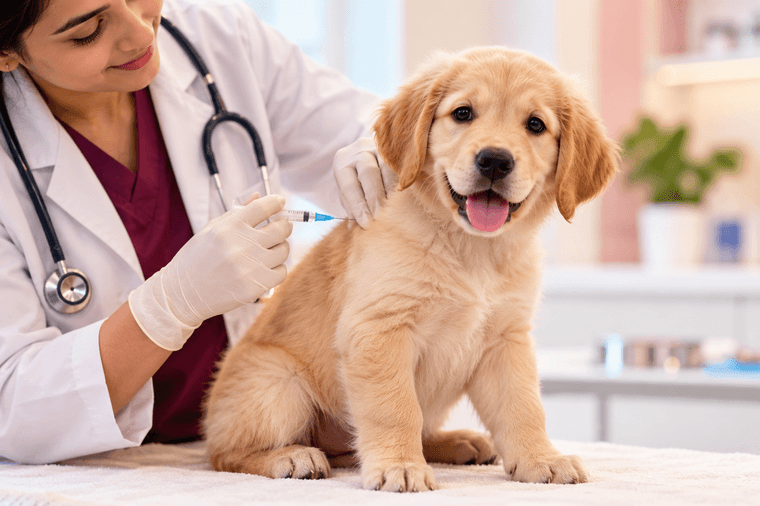
Puppy Vaccination Schedule in India: Vaccines, Timing and Importance
Bringing a puppy home is an exciting experience filled with cuddles, playful moments and new responsibilities. Along with providing nutritious food, regular exercise and a comfortable home, one of the most important responsibilities of a pet parent is ensuring timely vaccination.
Puppies have developing immune systems and can be vulnerable to several infectious diseases. Vaccinations help their bodies recognise specific disease-causing organisms and build protection against potentially serious illnesses.
If you are a new pet parent, you might wonder which vaccines your puppy needs, how many doses are required, when to start vaccinations and why completing the vaccination schedule is so important.
In this guide, we explain the puppy vaccination schedule in India, including DHPPi, Anti-Rabies, Canine Coronavirus and Kennel Cough vaccines, along with their importance, vaccination timing and essential precautions for puppy parents.
Why Are Vaccinations Important for Puppies?
Vaccination is an essential part of preventive healthcare for puppies. It helps prepare their immune systems to fight certain infectious diseases before they encounter them.
Here are some important reasons why you should not delay your puppy's vaccinations.
1. Protection Against Serious Diseases
Puppies can be exposed to infectious diseases through contact with infected animals, contaminated environments and other sources. Some illnesses, such as canine parvovirus and distemper, can be severe and potentially life-threatening.
Vaccinations help reduce the risk of these diseases and their complications.
2. Stronger Protection During Early Development
Puppies receive temporary antibodies from their mothers, but these antibodies gradually decrease as they grow. They can also interfere with a puppy's response to early vaccine doses.
This is why puppies need a series of vaccinations at appropriate intervals rather than relying on a single injection.
3. Reduced Risk of Infection
Vaccination helps reduce the likelihood of certain infections. Depending on the vaccine and disease, it may also reduce disease severity and the risk of spreading infection.
4. Better Long-Term Pet Healthcare
Following a veterinarian-recommended vaccination schedule helps establish a preventive healthcare routine. It also gives your veterinarian an opportunity to assess your puppy's growth, health and future booster requirements.
When Should a Puppy Get Its First Vaccine?
One of the most common questions new pet parents ask is, “When should a puppy get its first vaccine?”
In general, a puppy's first core vaccination is recommended at around 6–8 weeks of age, depending on the puppy's health, vaccination history and the veterinarian's advice.
The DHPPi vaccine is commonly used as the first vaccine for puppies. Depending on the formulation, it helps protect against canine distemper, infectious hepatitis, parvovirus and parainfluenza.
However, the first vaccine alone does not complete the puppy's vaccination course. Additional doses are generally required at intervals recommended by the veterinarian to help build adequate protection.
If you have adopted a puppy and do not know its vaccination history, consult a veterinarian before starting or continuing the schedule.
Puppy Vaccination Schedule in India
Understanding the puppy vaccination schedule by age helps pet parents keep track of important vaccinations and avoid missing appointments.
The following table outlines the vaccination milestones in the clinic schedule. The exact timing and number of doses may vary depending on the vaccine product, your puppy's health and veterinary advice.
6–8 Weeks: First DHPPi Vaccine
The first core vaccination for puppies generally begins at 6–8 weeks of age. It helps start protection against important canine diseases.
10–11 Weeks: Second DHPPi Vaccine
The second dose continues the primary vaccination course and helps build immunity.
12–13 Weeks: First Anti-Rabies Vaccine
The first Anti-Rabies vaccination is administered according to the vaccine instructions, applicable requirements and veterinarian's advice.
13–14 Weeks: Third DHPPi Vaccine
The third DHPPi dose continues protection against core canine diseases. Your veterinarian will confirm whether additional doses are required.
16–17 Weeks: Second Anti-Rabies Vaccine
The clinic schedule lists a second Anti-Rabies vaccination at 16–17 weeks. This timing must be confirmed against the selected vaccine's instructions and the veterinarian's prescribed protocol.
17–18 Weeks: Kennel Cough Vaccine
Kennel Cough vaccination may be recommended for puppies at increased risk of exposure to other dogs. The number of doses depends on the vaccine type.
Canine Coronavirus Vaccine: First Dose
If recommended by the veterinarian, the first dose is given according to the selected vaccine's instructions.
Approximately One Month Later: Second Canine Coronavirus Dose
If prescribed, the second dose is administered according to the vaccine-specific schedule and veterinary advice.
Important: This schedule reflects the clinic's planned milestones, not a universal protocol. Core vaccinations generally continue until at least 16 weeks of age. Canine Coronavirus vaccination is not routinely recommended for all pet dogs by WSAVA. Confirm the appropriate vaccines and timing with your veterinarian.
Types of Vaccines for Puppies
Different vaccines protect puppies against different infectious diseases. Understanding what each vaccine does can help you make informed decisions with your veterinarian.
1. DHPPi Vaccine
The DHPPi vaccine is one of the most important vaccines in a puppy's primary vaccination course.
Depending on the formulation, it protects against:
- D – Canine Distemper: A serious viral disease that can affect the respiratory, digestive and nervous systems.
- H – Infectious Hepatitis: A disease associated with canine adenovirus infection that can damage the liver and other organs.
- P – Canine Parvovirus: A highly contagious disease that can cause severe vomiting, diarrhoea and dehydration.
- Pi – Canine Parainfluenza: A respiratory virus that can contribute to infectious respiratory disease in dogs.
Puppies usually need multiple doses of core vaccines because their immune systems are still developing and maternal antibodies may interfere with early vaccination.
Your veterinarian will determine when the primary course is complete and when the next booster is due.
2. Anti-Rabies Vaccine
Rabies is a serious viral disease that affects the nervous system and is almost always fatal once clinical signs develop. It can also spread to humans through bites and other exposure to infected saliva.
Vaccinating dogs against rabies is an important part of protecting both pets and people, particularly in India, where rabies remains a public health concern.
The first Anti-Rabies vaccination is given according to the vaccine instructions, the puppy's age and veterinary advice. In the clinic schedule outlined above, the first dose is listed at 12–13 weeks and the second at 16–17 weeks.
The second dose at 16–17 weeks should be followed only when it is part of the veterinarian's prescribed protocol and is consistent with the vaccine instructions and applicable requirements. The required schedule can vary by vaccine product and local regulations.
Keep your puppy's vaccination record safe and ask your veterinarian when the next rabies booster is due.
3. Canine Coronavirus Vaccine
Canine enteric coronavirus can cause gastrointestinal illness in dogs, particularly younger animals. It is different from the human coronavirus responsible for COVID-19.
Although some clinics offer a canine coronavirus vaccine, it is not generally recommended as a routine vaccine for all pet dogs by WSAVA because evidence supporting meaningful clinical benefit is limited.
If this vaccine is included in a care plan, ask your veterinarian whether it is appropriate for your puppy based on its individual circumstances and the vaccine product available.
4. Kennel Cough Vaccine
Kennel Cough refers to a contagious respiratory illness that can involve several pathogens, including Bordetella bronchiseptica and canine parainfluenza virus.
Common signs include a persistent cough, gagging and respiratory discomfort.
Kennel Cough vaccination may be recommended for puppies that visit boarding facilities, daycare centres, grooming salons, training classes or places where they interact with many other dogs.
The number of doses and timing depend on whether the vaccine is injectable, intranasal or oral. Your veterinarian can advise which option is suitable for your puppy.
What Happens If You Delay Your Puppy's Vaccination?
Delaying vaccination can leave your puppy without adequate protection during an important stage of development.
Potential consequences include:
- Increased vulnerability to preventable infectious diseases.
- Greater risk of severe illness from infections such as parvovirus and distemper.
- Disruption of the recommended vaccination schedule.
- Possible exposure to other dogs or contaminated environments before adequate protection develops.
If your puppy has missed a vaccination appointment, do not panic or restart the schedule yourself. Contact your veterinarian. They can review the previous doses and advise how to continue safely.
Until your puppy has developed appropriate protection, ask your veterinarian about safe socialisation and avoid high-risk environments.
What Precautions Should You Take After Vaccination?
Some puppies may experience mild, temporary effects after vaccination. These can include soreness at the injection site, slight tiredness or a reduced appetite for a short period.
To care for your puppy after vaccination:
- Allow your puppy to rest and provide fresh drinking water.
- Monitor its appetite, activity and general behaviour.
- Follow your veterinarian's instructions about bathing, exercise and contact with other dogs.
- Avoid giving human medicines unless specifically prescribed by a veterinarian.
- Keep the vaccination record and note the next appointment.
Seek urgent veterinary care if your puppy develops facial swelling, difficulty breathing, collapse or repeated vomiting after vaccination. These may indicate a serious allergic reaction.
Puppy Vaccination Cost in India
The cost of puppy vaccination in India can vary depending on the vaccine brand, clinic, city, consultation charges and number of doses required.
Additional factors may include the puppy's age, previous vaccination history and whether other preventive treatments are needed.
Rather than comparing only the price of an individual vaccine, ask the clinic what is included in the quoted amount. Check whether consultation fees, follow-up doses, vaccination records and future boosters are included.
A planned care package may make it easier to understand the cost of eligible services in advance. However, always confirm the exact inclusions and any additional charges before purchasing.
Check out the Zifurs Puppy Care Package to explore the plan, review its inclusions and find out how it can support your puppy's preventive healthcare.
Please note: Package inclusions do not replace an individual veterinary assessment. The appropriate vaccine selection, number of doses and timing should always be confirmed with your veterinarian.
Conclusion
Vaccination is an important part of keeping your puppy healthy. Starting the first vaccine at the appropriate age, completing the recommended primary course and following booster advice can help protect your puppy against several serious infectious diseases.
Keep a record of every vaccination, attend scheduled veterinary appointments and consult your veterinarian whenever you are unsure about the next dose.
If you want to plan your puppy's preventive healthcare more conveniently, check out the Zifurs Puppy Care Package and explore the available services for your furry companion.
A little planning today can help you build a healthier future for your puppy.
Frequently Asked Questions
At what age should a puppy get its first vaccine in India?
Puppies generally receive their first core vaccination at 6–8 weeks of age. Your veterinarian may recommend a slightly different schedule depending on the puppy's health and vaccination history.
Which is the first vaccine for a puppy?
The first vaccine is usually a combination core vaccine such as DHPPi, which helps protect against diseases including distemper, adenovirus, parvovirus and parainfluenza. Your veterinarian will confirm the appropriate vaccine.
How many vaccinations does a puppy need?
Puppies usually need a series of core vaccine doses starting at 6–8 weeks and repeated every 2–4 weeks until at least 16 weeks of age. Rabies and other vaccines are scheduled according to veterinary advice and local requirements.
When should a puppy receive its Anti-Rabies vaccine?
Rabies vaccination is commonly given from around 12 weeks of age, depending on the vaccine label and local requirements. Ask your veterinarian about the correct timing and any subsequent dose or booster.
What happens if my puppy's vaccination is delayed?
A delay can leave your puppy vulnerable to serious infectious diseases. Contact your veterinarian to arrange a catch-up schedule rather than restarting or changing doses on your own.
How much does puppy vaccination cost in India?
Puppy vaccination costs vary by city, veterinary clinic, vaccine type and the number of doses required. Ask your clinic for a complete estimate that includes any recommended boosters and consultations.
Can I take my puppy outside before completing vaccinations?
Avoid high-risk places such as dog parks and areas frequented by unknown or unvaccinated dogs until your veterinarian confirms it is safe. Your vet can suggest safer socialisation options while vaccinations are in progress.
Are puppy vaccinations necessary if my puppy stays indoors?
Yes. Indoor puppies can still be exposed to infectious diseases, and some illnesses can spread through contaminated environments. Follow a vaccination plan recommended by your veterinarian.

Zifurs Editorial Team
The Zifurs Editorial Team is a group of passionate pet lovers, researchers, and writers dedicated to creating reliable and engaging content for pet parents. With a strong focus on animal care, health, and lifestyle, the team ensures that every article is well-researched, easy to understand, and practical for everyday use.