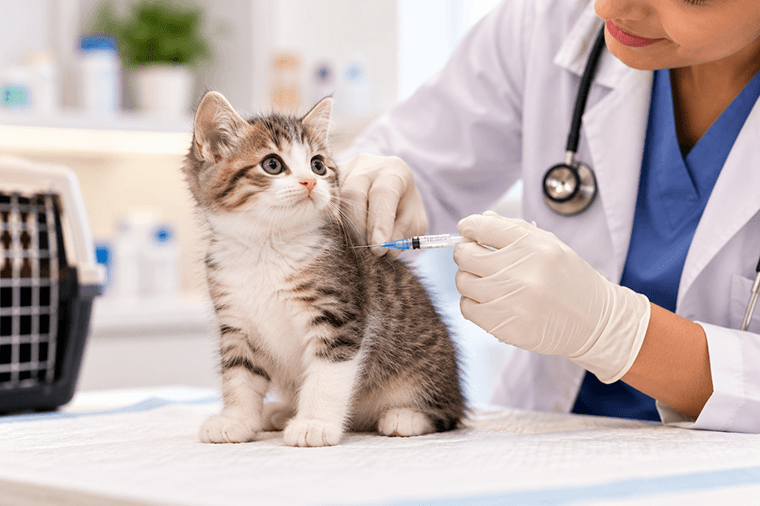
Kitten Vaccination Schedule in India: Vaccines, Age and Complete Guide
Bringing a kitten home is a joyful experience, but being a responsible cat parent also means taking care of its health from an early age. One of the most important steps is following the right kitten vaccination schedule in India to help protect your furry companion against serious infectious diseases.
If you are wondering when kittens should receive their first vaccine, what the Tri-Cat vaccine is, when to give Anti-Rabies vaccinations, or how many doses your kitten needs, this guide covers the essentials.
Why Is Vaccination Important for Kittens?
Kittens have developing immune systems and can be more vulnerable to infections during their early months. Vaccination helps their bodies build protection against certain serious diseases.
Here is why kitten vaccination is important:
- Helps prevent serious diseases: Vaccines protect against specific viral infections that can cause severe illness.
- Supports healthy growth: Preventive care gives your kitten a healthier start in life.
- Protects indoor cats too: Indoor cats can still be exposed to infectious agents brought into the home.
- Reduces health risks: Following a veterinarian-recommended vaccination plan helps reduce the risk of vaccine-preventable diseases.
- Builds a preventive care routine: Vaccination records help you keep track of upcoming doses and boosters.
Starting vaccinations at the recommended age and completing the course are important parts of responsible kitten care.
At What Age Should a Kitten Get Its First Vaccine?
Kittens generally begin their core vaccination series at around 6–8 weeks of age, depending on their health, vaccine product, and veterinary advice.
According to the schedule followed in this guide, the first CRP (Tri-Cat) vaccine is given at 7–8 weeks of age.
If you have adopted a kitten and do not know its vaccination history, arrange a veterinary consultation. Your vet can examine your kitten and recommend the appropriate schedule.
Always keep the vaccination card or written record safe so you know which doses have been administered and when the next appointment is due.
Kitten Vaccination Schedule in India
Following is the vaccination schedule provided in this guide. Follow your veterinary clinic’s instructions and confirm the timing and number of doses for the specific vaccine being used.
1. 7–8 Weeks: CRP (Tri-Cat) Vaccine — Dose 1
The first dose of the CRP, commonly called the Tri-Cat vaccine, begins the kitten’s core vaccination course.
It helps build protection against important feline infectious diseases. Your veterinarian will assess your kitten’s health before administering the vaccine.
2. 12 Weeks: CRP (Tri-Cat) Vaccine — Dose 2
The second dose continues the initial vaccination series and helps strengthen the immune response.
Make sure you attend the follow-up appointment even if your kitten appears completely healthy.
3. 14 Weeks: Anti-Rabies Vaccine — Dose 1 of 2
The first Anti-Rabies dose is scheduled at 14 weeks in the clinic schedule provided for this guide.
Rabies is a serious viral disease that can affect animals and humans. Vaccination is an important preventive measure for cats, including indoor cats.
The appropriate timing and subsequent dose must be confirmed with your veterinarian according to the vaccine label and applicable local requirements.
4. 16 Weeks: CRP (Tri-Cat) Vaccine — Dose 3 (Critical Dose)
The third CRP (Tri-Cat) dose is marked as the critical dose in the schedule provided.
Completing the initial series is important because maternal antibodies can interfere with a kitten’s response to early vaccines. Your veterinarian can confirm whether this dose completes the initial series for your kitten or whether any additional dose is needed.
5. 18 Weeks: Anti-Rabies Vaccine — Dose 2 of 2
The schedule provided lists the second Anti-Rabies dose at 18 weeks.
However, rabies vaccination protocols differ depending on the vaccine product and local requirements. A second dose at this interval should only be given if it is part of the schedule specifically prescribed by your veterinarian. Do not assume every kitten needs two initial rabies doses at these exact ages.
What Is the CRP (Tri-Cat) Vaccine for Cats?
The CRP or Tri-Cat vaccine is a combination vaccine used to protect cats against key infectious diseases. The exact diseases covered depend on the vaccine product.
Core feline combination vaccines commonly protect against:
- Feline viral rhinotracheitis: A respiratory disease associated with feline herpesvirus.
- Feline calicivirus: A contagious infection that can cause respiratory symptoms and painful mouth ulcers.
- Feline panleukopenia: A serious viral disease that can damage the digestive system and affect immune cells.
These infections can spread between cats and may cause severe illness, particularly in young kittens.
Check the vaccine label or ask your veterinarian to confirm which diseases the specific Tri-Cat product covers.
Why Is the Anti-Rabies Vaccine Important for Kittens?
Rabies is a serious disease that affects the nervous system and can spread to humans through infected animal bites or saliva entering a wound.
Vaccinating your cat against rabies is an important part of preventive healthcare. Even cats that live indoors may escape or come into contact with other animals.
Your veterinarian will advise when your kitten is eligible for its first rabies vaccination and when its next dose or booster is due. Always follow the product label and applicable local requirements.
Do Indoor Kittens Need Vaccinations?
Yes. Indoor kittens also need appropriate vaccinations.
Although an indoor lifestyle may reduce some exposure risks, it does not eliminate them. Infectious agents can be carried into the home on footwear, clothing, carriers, or other objects. Indoor cats may also escape accidentally or encounter other animals during veterinary visits.
Your veterinarian can recommend a vaccination plan based on your kitten’s lifestyle, age, health, and exposure risk.
What Is the Cost of Kitten Vaccination in India?
The cost of kitten vaccination varies according to the city, veterinary clinic, vaccine brand, consultation fees, and number of doses required.
Your total vaccination expenses may include:
- Initial veterinary consultation.
- CRP (Tri-Cat) vaccine doses.
- Anti-Rabies vaccination.
- Any additional vaccines recommended after a risk assessment.
- Future booster doses and follow-up consultations.
Instead of checking only the cost of the first injection, ask your veterinary clinic for an estimate of the complete vaccination course.
Planning ahead helps you budget for your kitten’s preventive healthcare and avoid missing scheduled appointments.
What Should You Do Before and After Your Kitten’s Vaccination?
A little preparation can make vaccination visits easier for both you and your kitten.
Before vaccination
- Make sure your kitten is eating and behaving normally.
- Inform the veterinarian about any illness, medication, or previous vaccine reaction.
- Carry your kitten’s existing vaccination and medical records.
- Use a secure cat carrier during travel.
- Ask the clinic when the next dose should be scheduled.
If your kitten appears unwell, tell the veterinarian before vaccination. The vet can decide whether to proceed or postpone it.
After vaccination
- Let your kitten rest in a calm and comfortable environment.
- Monitor its appetite, energy levels, and injection site.
- Follow the veterinarian’s instructions for aftercare.
- Record the vaccine name and date in the vaccination card.
- Set a reminder for the next appointment.
Some kittens may experience temporary tiredness, mild tenderness, or a reduced appetite. However, facial swelling, difficulty breathing, collapse, or repeated vomiting after vaccination requires urgent veterinary attention.
What Happens If You Miss a Kitten Vaccination?
Missing a scheduled vaccination does not necessarily mean you must restart the entire course. The next steps depend on your kitten’s age, previous doses, and the vaccine being used.
If you miss an appointment:
- Contact your veterinary clinic.
- Share the dates and details of all previous vaccinations.
- Follow the catch-up schedule recommended by your vet.
- Avoid changing, doubling, or restarting doses without professional advice.
Keeping a vaccination card and setting reminders can help you stay on track.
Can You Take Your Kitten Outside Before Completing Vaccinations?
It is best to avoid high-risk environments until your veterinarian advises that your kitten is sufficiently protected.
Avoid places where unknown or unvaccinated cats gather, and do not allow your kitten to interact freely with cats whose health and vaccination history are unknown.
You can still help your kitten become comfortable with household sounds, gentle handling, and familiar people at home. Ask your vet how to balance safe socialisation with infection prevention.
Make Kitten Care Easier with Zifurs
A healthy start begins with preventive care, regular veterinary check-ups, and timely vaccinations. Planning your kitten’s healthcare early can help you keep track of important appointments and expenses.
With Zifurs, cat parents can explore available pet-care services and options for their pets.
If you are planning your kitten’s vaccinations, explore the Zifurs Kitten Care Plus Plan to review the current plan inclusions, pricing, and availability. Confirm the services included and the recommended vaccination schedule with your veterinary clinic before booking.
Final Thoughts
Vaccination is an important part of giving your kitten a healthy start. Begin the vaccination series at the recommended age, complete the prescribed doses, maintain accurate medical records, and consult your veterinarian about Anti-Rabies vaccination and future boosters.
Every kitten has individual healthcare needs, so use a vaccination chart as a guide rather than a substitute for veterinary advice.
A little planning today can help protect your feline companion as it grows into a healthy adult cat.
Frequently Asked Questions
At what age should a kitten get its first vaccine in India?
Kittens generally begin their core vaccination series at 6–8 weeks of age. The schedule in this guide starts with the first CRP (Tri-Cat) dose at 7–8 weeks. Consult your veterinarian to confirm the right timing for your kitten.
How many Tri-Cat vaccinations does a kitten need?
The schedule in this guide includes three CRP (Tri-Cat) doses at 7–8 weeks, 12 weeks, and 16 weeks. Your veterinarian may adjust the schedule depending on the vaccine product and your kitten's vaccination history.
When should a kitten receive the Anti-Rabies vaccine?
The schedule in this guide lists the first Anti-Rabies dose at 14 weeks and a second dose at 18 weeks. The appropriate timing and need for a second dose depend on the vaccine product and local requirements, so confirm the schedule with your veterinarian.
Do indoor kittens need vaccinations?
Yes. Indoor kittens can still be exposed to infectious agents brought into the home or encountered during veterinary visits. Your veterinarian can recommend the appropriate core vaccines for your kitten.
What are the common side effects of kitten vaccines?
Some kittens may experience temporary tiredness, mild tenderness, or reduced appetite after vaccination. Facial swelling, difficulty breathing, collapse, or repeated vomiting requires urgent veterinary attention.
Can a sick kitten be vaccinated?
A veterinarian should assess a sick kitten before vaccination. Inform the vet about symptoms such as fever, vomiting, diarrhoea, or loss of appetite so they can decide whether to proceed or postpone vaccination.
What should I do if I miss a kitten vaccination?
Contact your veterinarian and share your kitten's vaccination records. Your vet will recommend the appropriate catch-up schedule. Do not double doses or restart the vaccination course without professional advice.
How much does kitten vaccination cost in India?
Kitten vaccination costs vary by city, clinic, vaccine brand, consultation fees, and the number of doses required. Ask your veterinary clinic for an estimate covering the complete vaccination course and any recommended boosters.
Are booster vaccinations necessary for cats?
Yes. Cats generally need follow-up vaccinations or boosters after their initial series. The timing depends on the vaccine, age, health, and exposure risk. Follow the booster schedule recommended by your veterinarian.
What is the CRP or Tri-Cat vaccine for kittens?
CRP or Tri-Cat vaccines are combination vaccines used to protect cats against key infectious diseases. The exact diseases covered depend on the product. Check the vaccine label or ask your veterinarian which diseases it protects against.

Zifurs Editorial Team
The Zifurs Editorial Team is a group of passionate pet lovers, researchers, and writers dedicated to creating reliable and engaging content for pet parents. With a strong focus on animal care, health, and lifestyle, the team ensures that every article is well-researched, easy to understand, and practical for everyday use.