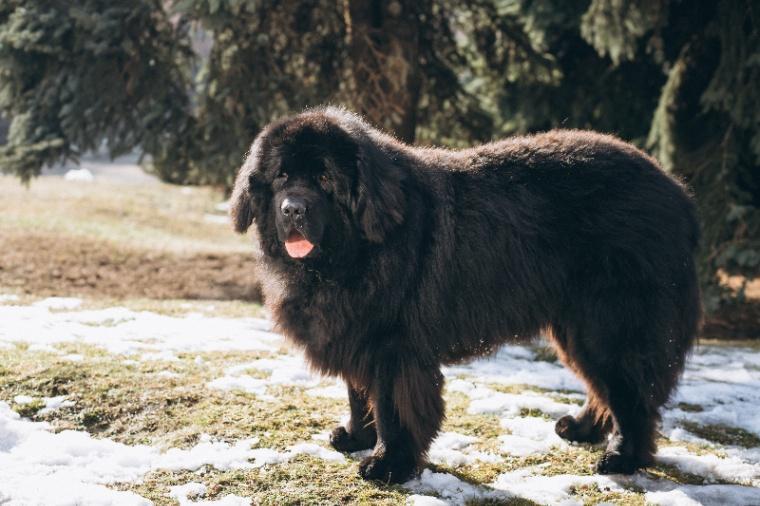
Tibetan Mastiff
Last Updated:
The Tibetan Mastiff dog breed is a large, powerful, and highly protective guardian dog known for its thick coat and lion-like appearance. In India, it is popular in colder regions and among experienced owners seeking a strong guard dog. This breed requires ample space, proper training, and careful climate management, making it best suited for large homes and cooler environments.
Height
24 - 30 Inches
Intelligence
High
Lifespan
10 - 12 years
Weight
32 - 68 Kg
Temperament
About
The Tibetan Mastiff is a large and powerful guardian breed known for its thick double coat, impressive mane, independent personality, and strong protective instincts. Originating from the Himalayan region, the breed was traditionally used to guard livestock, homes, monasteries, and property.
Tibetan Mastiffs are known for being loyal, independent, intelligent, protective, courageous, calm, and strong-willed. They often form deep bonds with their families but can be reserved or suspicious around unfamiliar people.
Because of their size, strength, independence, and guarding instincts, Tibetan Mastiffs require experienced handling, early socialization, consistent training, and plenty of space. Their thick coat also requires regular grooming, particularly during seasonal shedding.
Tibetan Mastiff Appearance
The Tibetan Mastiff has a powerful, substantial build and a thick double coat that gives it an imposing appearance. Adult males can develop a particularly prominent mane around the neck and shoulders.
Common physical characteristics include:
- Large and powerful body
- Strong bone structure
- Broad head
- Deep chest
- Strong neck
- Small, triangular drop ears
- Deep-set, expressive eyes
- Thick double coat
- Large, heavily feathered tail carried over the back
- Prominent neck ruff, especially in males
Common coat colors include black, black and tan, brown, red, blue-gray, and various shades of gold. Some dogs may have tan or white markings.
Tibetan Mastiff Temperament
The Tibetan Mastiff temperament is generally independent, protective, intelligent, calm, courageous, and strong-willed. The breed was developed to make decisions independently while guarding property and livestock.
They are usually deeply loyal to their families but may be reserved with strangers. Their independent nature means they may not always respond instantly to commands, making early training and socialization especially important.
Are Tibetan Mastiffs Good Family Dogs?
A well-socialized Tibetan Mastiff can be a loyal and devoted family companion. They often develop strong bonds with the people they consider part of their family.
However, their size, strength, independence, and protective instincts make them more suitable for experienced owners who understand large guardian breeds.
Are Tibetan Mastiffs Good with Children?
Tibetan Mastiffs can be protective and affectionate toward children in their family when properly socialized. However, their enormous size means accidental knocks or rough play can cause injuries.
Young children should always be supervised around a Tibetan Mastiff, and children should be taught to respect the dog's space, especially while it is eating or resting.
Tibetan Mastiff Intelligence and Training
Tibetan Mastiffs are intelligent but highly independent. They were historically expected to make decisions without constant human direction, so they may not have the same eagerness to please as some working breeds.
Training should include:
- Basic obedience
- Leash training
- Recall training
- Impulse control
- House training
- Early socialization
- Handling and grooming practice
Positive reinforcement, consistency, patience, and calm leadership generally work better than harsh training methods.
Tibetan Mastiff Exercise Requirements
Tibetan Mastiffs have moderate exercise needs compared with highly athletic working breeds. They benefit from daily walks, controlled outdoor activity, exploration, and mental stimulation.
Suitable activities include:
- Daily walks
- Controlled outdoor exploration
- Obedience training
- Scent games
- Interactive toys
- Supervised play
They generally do not require constant high-intensity exercise. Puppies should avoid excessive running and jumping while their bones and joints are developing.
Can Tibetan Mastiffs Live in Apartments?
Tibetan Mastiffs are generally not ideal for small apartments. Their large size, thick coat, independent nature, and guarding instincts make a spacious home with a secure outdoor area much more suitable.
They also tend to be naturally alert at night and may bark when they detect unfamiliar sounds, which can make apartment living challenging for both the dog and neighbors.
Tibetan Mastiff Grooming Requirements
The Tibetan Mastiff has a thick double coat that requires regular grooming. Grooming requirements increase significantly during seasonal shedding periods.
Basic grooming should include:
- Regular brushing
- More frequent brushing during heavy shedding
- Bathing when necessary
- Regular nail trimming
- Routine ear checks
- Dental care
- Regular inspection of the skin and coat
The coat should generally not be shaved simply to make the dog more comfortable in summer. Its double coat provides insulation, and heat management should instead focus on shade, ventilation, hydration, and appropriate indoor cooling.
Do Tibetan Mastiffs Shed a Lot?
Yes, Tibetan Mastiffs can shed heavily, particularly during seasonal coat changes. Their thick double coat can release substantial amounts of hair during these periods.
Regular brushing can help remove loose undercoat and reduce the amount of hair accumulating around the home.
Are Tibetan Mastiffs Hypoallergenic?
No, Tibetan Mastiffs are not considered hypoallergenic. Their thick coat and seasonal shedding can distribute hair and dander around the home.
People with dog allergies should spend time around the breed before deciding to bring one home.
Tibetan Mastiff Health
Tibetan Mastiffs can be relatively hardy dogs, but responsible breeding and preventive veterinary care remain important. Their large size can increase the importance of maintaining healthy growth, joints, and body weight.
Potential health concerns include hip and elbow dysplasia, hypothyroidism, eye problems, autoimmune conditions, and certain orthopedic disorders.
Regular veterinary examinations and appropriate health screening can help identify potential problems early.
What Should You Feed a Tibetan Mastiff?
A Tibetan Mastiff should receive a complete and balanced diet appropriate for its age, size, activity level, and health requirements.
Growing puppies require carefully managed nutrition because excessive calories or rapid growth can place unnecessary stress on developing bones and joints.
Fresh drinking water should always be available.
Can Tibetan Mastiffs Become Overweight?
Yes, excess weight can put additional stress on the joints of a large dog. Measured meals, controlled treats, regular appropriate exercise, and monitoring body condition can help maintain a healthy weight.
Tibetan Mastiff Socialization
Early socialization is particularly important for Tibetan Mastiffs because of their natural guarding instincts and independent temperament.
Puppies should gradually and positively experience different people, environments, sounds, surfaces, handling, and appropriately vaccinated dogs. Proper socialization can help them distinguish normal situations from genuine threats.
Are Tibetan Mastiffs Good with Other Pets?
Tibetan Mastiffs can live with other dogs and compatible pets when properly socialized and introduced. However, their guarding instincts and individual temperament should be taken into account.
Introductions should be gradual and supervised, especially with smaller animals.
Are Tibetan Mastiffs Affectionate?
Tibetan Mastiffs can be deeply loyal and affectionate with their families, although they are generally more independent than many companion breeds.
They may prefer staying near their owners rather than constantly seeking physical affection, and they often show loyalty through their protective behavior.
Are Tibetan Mastiffs Good Guard Dogs?
Yes, guarding is one of the defining characteristics of the Tibetan Mastiff. They were historically bred to protect livestock, homes, and property and can be highly alert to unfamiliar people and activity.
Their natural guarding instincts should be managed through early socialization and responsible training rather than deliberately encouraging aggressive behavior.
Are Tibetan Mastiffs Good for First-Time Dog Owners?
Tibetan Mastiffs are generally not recommended for inexperienced first-time owners. Their enormous size, independent temperament, strength, and strong guarding instincts can be difficult to manage without experience.
They are better suited to confident owners who understand large guardian breeds and can provide appropriate training and socialization.
Do Tibetan Mastiffs Need a Lot of Attention?
Tibetan Mastiffs are relatively independent and do not typically demand constant attention. However, they still require regular companionship, exercise, training, mental stimulation, and interaction with their families.
They are not suited to being completely isolated without appropriate human interaction.
How Long Do Tibetan Mastiffs Live?
Tibetan Mastiffs commonly have a lifespan of around 10 to 12 years. Individual lifespan can vary depending on genetics, responsible breeding, nutrition, body condition, preventive veterinary care, and lifestyle.
Tibetan Mastiff Price in India
The Tibetan Mastiff price in India can vary considerably depending on pedigree, breeder reputation, bloodline, health screening, age, location, coat quality, and availability.
As a general estimate, a Tibetan Mastiff puppy in India may cost approximately ₹50,000 to ₹2,00,000 or more.
Dogs from established breeders with documented pedigrees, health screening, and responsible breeding practices may cost considerably more.
Prospective owners should consider vaccination records, health history, parental health, living conditions, and responsible breeding practices rather than choosing a puppy based solely on price.
Tibetan Mastiff Monthly Maintenance Cost in India
The estimated Tibetan Mastiff monthly maintenance cost in India can range from approximately ₹8,000 to ₹15,000 or more, depending on food, veterinary care, grooming, parasite prevention, training, treats, toys, and lifestyle.
Regular expenses may include:
- Quality large-breed dog food
- Routine veterinary care
- Vaccinations
- Deworming
- Tick and flea prevention
- Professional or home grooming
- Dental care
- Training
- Toys and enrichment
The cost can be significantly higher for dogs requiring specialized veterinary care or living in areas where high-quality large-breed food and grooming services are expensive.
Can Tibetan Mastiffs Live in India's Climate?
Tibetan Mastiffs can be challenging to keep in India's hotter regions because they have a very thick double coat developed for cold Himalayan conditions.
During hot weather, they need constant access to fresh water, shade, excellent ventilation, and a cool indoor environment. Exercise should preferably take place during cooler morning or evening hours.
Extreme heat should be taken seriously, particularly in hot and humid parts of India.
Do Tibetan Mastiffs Need Air Conditioning in India?
In regions with very hot summers, reliable indoor cooling can be extremely beneficial for a Tibetan Mastiff. During periods of extreme heat, keeping the dog in a cool, well-ventilated environment and reducing outdoor activity can help reduce the risk of overheating.
Are Tibetan Mastiffs High-Maintenance?
Tibetan Mastiffs can be considered high-maintenance overall. Their thick coat requires regular grooming, while their large size, strong guarding instincts, space requirements, and specialized heat management can make ownership demanding.
They are best suited to owners who have sufficient space, time, experience, and resources to care for a giant guardian breed.
Do Tibetan Mastiffs Bark a Lot?
Tibetan Mastiffs can be vocal, particularly at night. Their natural guarding instincts make them highly alert to unfamiliar sounds, animals, and people.
Early socialization and appropriate training can help manage unnecessary barking, but owners should understand that alert vocalization is a natural part of the breed's temperament.
Are Tibetan Mastiffs Good for Active Families?
Tibetan Mastiffs can suit families that enjoy moderate outdoor activity and have enough space for a large dog. They do not necessarily require intense daily exercise but benefit from regular walks, exploration, training, and mental stimulation.
They are generally better suited to spacious homes than highly active urban apartments.
Are Tibetan Mastiffs Good for Indian Families?
Tibetan Mastiffs can be suitable for Indian families with sufficient space, experience, resources, and the ability to provide effective heat management.
Families living in hot and humid regions should carefully consider the breed's thick coat and ensure access to a cool indoor environment throughout the hottest months.
Final Thoughts
The Tibetan Mastiff is a powerful, intelligent, independent, and highly protective guardian breed with a striking appearance and deep loyalty to its family. Its strong guarding instincts and enormous size make it very different from a typical companion dog.
For prospective owners in India, it is important to consider both the Tibetan Mastiff price in India and the ongoing costs of feeding, grooming, veterinary care, training, space, and especially summer heat management.
With responsible breeding, early socialization, positive training, appropriate nutrition, healthy weight management, regular veterinary care, sufficient space, and careful heat management, a Tibetan Mastiff can be a loyal and impressive guardian and family companion.
Care Requirements
Compatibility
Available Colors
Health Considerations
- Hip and elbow dysplasia
- Canine Inherited Demyelinative Neuropathy
- Hypothyroidism
Fun Facts
- In 2014, a golden Tibetan Mastiff puppy was sold for a reported $1.9 million in China, making it one of the most expensive dogs ever sold.
- They are an ancient, indigenous breed, with records dating back to 1100 BCE, having remained largely isolated in the Himalayas for centuries.
Frequently Asked Questions
Common questions about the Tibetan Mastiff breed.
What is a Tibetan Mastiff?
The Tibetan Mastiff is a large, powerful guardian breed originating from the Himalayan region. It is known for its intelligence, independence, loyalty, thick double coat, and strong protective instincts.
How much does a Tibetan Mastiff cost in India?
The Tibetan Mastiff price in India varies depending on pedigree, breeder reputation, bloodline, health screening, age, location, and availability. Puppies may typically cost around ₹50,000 to ₹2,00,000 or more.
Are Tibetan Mastiffs good family dogs?
A well-socialized Tibetan Mastiff can be a loyal and devoted family companion. However, the breed is independent, territorial, and protective, so it is generally better suited to experienced owners.
Are Tibetan Mastiffs good with children?
Tibetan Mastiffs can be affectionate and protective toward children in their family when properly socialized. Because of their large size and protective nature, interactions with young children should always be supervised.
Are Tibetan Mastiffs good with other dogs?
Tibetan Mastiffs can live with other dogs when properly socialized and introduced, but they may be territorial around unfamiliar dogs. Careful introductions and ongoing supervision are recommended.
Are Tibetan Mastiffs affectionate?
Tibetan Mastiffs can be very affectionate and loyal with their families, although they are generally more independent and reserved than many companion breeds.
Are Tibetan Mastiffs intelligent?
Yes, Tibetan Mastiffs are highly intelligent and capable of making independent decisions. Their intelligence is combined with a strong-willed nature, which can make conventional obedience training challenging.
Are Tibetan Mastiffs easy to train?
Tibetan Mastiffs are intelligent but independent and strong-willed. Early socialization, positive reinforcement, consistency, patience, and experienced handling are important for successful training.
How much exercise does a Tibetan Mastiff need?
Tibetan Mastiffs have moderate exercise needs and benefit from daily walks, outdoor exploration, controlled play, and mental stimulation. They generally do not require prolonged high-intensity exercise.
Can Tibetan Mastiffs live in apartments?
Tibetan Mastiffs are generally not ideal for apartments. Their large size, territorial nature, need for space, and tendency to alert-bark make a spacious home with a secure yard more suitable.
Do Tibetan Mastiffs shed a lot?
Yes, Tibetan Mastiffs have a thick double coat and can shed heavily during their seasonal coat blow. Regular brushing and additional deshedding during heavy shedding periods are recommended.
Are Tibetan Mastiffs hypoallergenic?
No, Tibetan Mastiffs are not considered hypoallergenic. They have a dense double coat and can produce hair and dander that may trigger allergies.
How often should a Tibetan Mastiff be groomed?
A Tibetan Mastiff generally benefits from regular brushing, with more frequent grooming during heavy shedding periods. Nails, ears, teeth, and skin should also be checked and maintained regularly.
Does a Tibetan Mastiff need daily brushing?
Daily brushing may be useful during heavy shedding periods, while weekly or several-times-a-week brushing can be sufficient for many dogs during the rest of the year. Grooming frequency depends on coat condition.
Should a Tibetan Mastiff be shaved in summer?
Generally, shaving a Tibetan Mastiff is not recommended simply because of hot weather. Its double coat provides insulation, so heat management should focus on shade, hydration, ventilation, cooling, and avoiding strenuous activity in extreme heat.
Are Tibetan Mastiffs good guard dogs?
Yes. Guarding is one of the defining characteristics of the Tibetan Mastiff. The breed was developed to protect homes, families, property, and livestock and remains naturally alert and protective.
Do Tibetan Mastiffs bark a lot?
Tibetan Mastiffs can be vocal, particularly when they detect unfamiliar people, animals, or sounds. Their natural guarding instinct means alert barking is an important part of their temperament.
Are Tibetan Mastiffs aggressive?
Tibetan Mastiffs are naturally protective and can be territorial, but aggression should not be encouraged or considered desirable. Early socialization, responsible breeding, and positive training are important for stable behavior.
Are Tibetan Mastiffs good for first-time dog owners?
Tibetan Mastiffs are generally not recommended for first-time dog owners. Their size, independence, strength, territorial instincts, and training requirements make them better suited to experienced owners.
Do Tibetan Mastiffs need a lot of attention?
Tibetan Mastiffs are relatively independent and do not typically demand constant attention. However, they still need regular companionship, exercise, training, mental stimulation, and interaction with their families.
Can Tibetan Mastiffs be left alone?
Tibetan Mastiffs can tolerate some alone time when properly trained, but they should not be routinely isolated for long periods. Adequate space, enrichment, exercise, and human interaction are important.
What should I feed a Tibetan Mastiff?
A Tibetan Mastiff should receive a complete and balanced diet appropriate for its age, size, activity level, and health. Growing puppies need carefully managed nutrition to support controlled bone and joint development.
Can Tibetan Mastiffs become overweight?
Yes, excess weight can put additional stress on the joints of this large breed. Measured meals, controlled treats, appropriate exercise, and regular body-condition monitoring can help maintain a healthy weight.
What health problems do Tibetan Mastiffs have?
Tibetan Mastiffs can be predisposed to conditions including hip and elbow dysplasia, hypothyroidism, eye problems, autoimmune conditions, and certain orthopedic disorders. Regular veterinary care is important.
Are Tibetan Mastiffs prone to hip dysplasia?
Yes, hip dysplasia can occur in Tibetan Mastiffs. Maintaining a healthy weight, providing appropriate exercise during growth, and obtaining health information from responsible breeders can help reduce joint-health risks.
Are Tibetan Mastiffs prone to elbow dysplasia?
Elbow problems can occur in large breeds such as the Tibetan Mastiff. Persistent limping, stiffness, or changes in gait should be evaluated by a veterinarian.
Do Tibetan Mastiffs need health testing?
Prospective owners should ask breeders about health screening and the medical history of both parents. Veterinary evaluation and appropriate screening for orthopedic, thyroid, eye, and other breed-relevant conditions can help identify risks.
How long do Tibetan Mastiffs live?
Tibetan Mastiffs commonly have a lifespan of around 10 to 12 years, although some breed references report longer lifespans. Individual longevity depends on genetics, nutrition, body condition, preventive veterinary care, and lifestyle.
Are Tibetan Mastiffs good with cats?
Some Tibetan Mastiffs can live successfully with cats and other pets when properly socialized and introduced. Because of their size and protective instincts, interactions should be gradual and supervised.
Are Tibetan Mastiffs good indoor dogs?
Tibetan Mastiffs can be calm indoors, but they require sufficient space and access to a secure area where they can move and patrol. They are generally better suited to spacious homes than small apartments.
Can Tibetan Mastiffs live in India's climate?
Tibetan Mastiffs can be difficult to keep comfortable in India's hotter regions because their thick double coat evolved for cold Himalayan conditions. They need shade, fresh water, ventilation, and a cool indoor environment during hot weather.
Are Tibetan Mastiffs suitable for hot weather?
Tibetan Mastiffs are better adapted to cold climates than hot and humid weather. Exercise should be scheduled during cooler hours, and signs of overheating should be taken seriously.
Do Tibetan Mastiffs need air conditioning in India?
In regions with very hot summers, reliable indoor cooling can be extremely beneficial for a Tibetan Mastiff. During extreme heat, outdoor activity should be minimized and the dog should have access to a cool, well-ventilated space.
Are Tibetan Mastiffs high-maintenance?
Tibetan Mastiffs can be considered high-maintenance overall because of their size, thick coat, heavy seasonal shedding, space requirements, training needs, and difficulty coping with hot climates.
What colors do Tibetan Mastiffs come in?
Tibetan Mastiffs can have coats in colors including black, black and tan, brown, blue-gray, and various shades of gold, depending on the breed standard being followed.
Are Tibetan Mastiffs loyal?
Yes, loyalty is one of the breed's defining characteristics. Tibetan Mastiffs tend to form strong bonds with their families and can be highly protective of their people and property.
Are Tibetan Mastiffs good for senior citizens?
Tibetan Mastiffs are generally not an ideal choice for most senior owners because of their size, strength, independence, and guarding instincts. They require confident handling and appropriate space.
Are Tibetan Mastiffs good for Indian families?
Tibetan Mastiffs can suit experienced Indian families with sufficient space and resources, but families in hot and humid regions need to give particular attention to cooling and heat management.
What is the monthly maintenance cost of a Tibetan Mastiff in India?
The estimated Tibetan Mastiff monthly maintenance cost in India can range from approximately ₹8,000 to ₹15,000 or more, depending on food, grooming, veterinary care, parasite prevention, training, treats, and lifestyle.
Are Tibetan Mastiffs good for busy owners?
Tibetan Mastiffs are relatively independent, but they still require daily exercise, mental stimulation, socialization, training, and care. They should not be chosen by owners who cannot consistently meet these needs.
Do Tibetan Mastiffs need a large yard?
A large, securely fenced yard is highly beneficial for a Tibetan Mastiff. The breed is territorial and enjoys having space to patrol and explore, making spacious suburban or rural properties particularly suitable.
Can Tibetan Mastiffs be trusted off leash?
Tibetan Mastiffs can have unreliable recall because of their independent nature and strong instincts. They should generally be exercised off leash only in a secure, enclosed area rather than open public spaces.
Are Tibetan Mastiffs good watchdogs at night?
Yes. Tibetan Mastiffs are naturally alert and may become particularly active at night, when they can bark at unfamiliar sounds or activity around their property.
What kind of owner is best for a Tibetan Mastiff?
A Tibetan Mastiff is best suited to an experienced owner who understands guardian breeds and can provide secure space, early socialization, consistent positive training, appropriate exercise, regular grooming, and careful heat management.